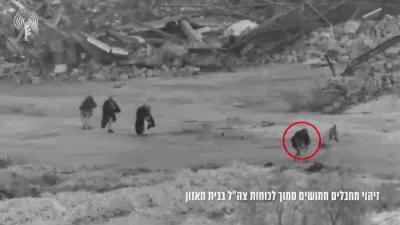
דראון אטאקע הארגעט דריי מענטשן פארבינדן מיט טעראריסטישע האנדל נעטווארקס.
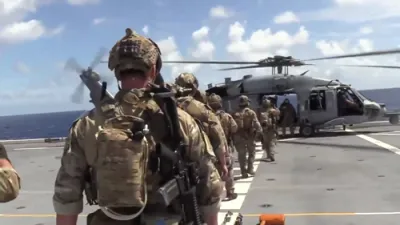
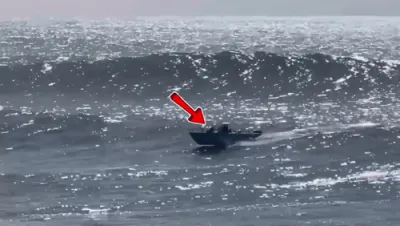
U.S. Southern Command, under the direction of Gen. Francis L. Donovan, executed a lethal drone strike on February 13, 2026, targeting a vessel engaged in narco-trafficking operations and linked to designated terrorist organizations. The strike was conducted by Joint Task Force Southern Spear along established Caribbean trafficking routes, killing three individuals involved in illicit activities. No U.S. military personnel were harmed during the operation.
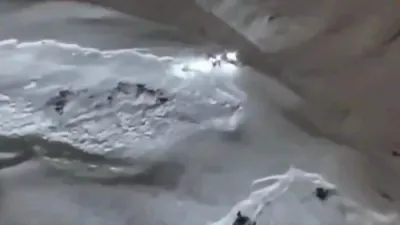
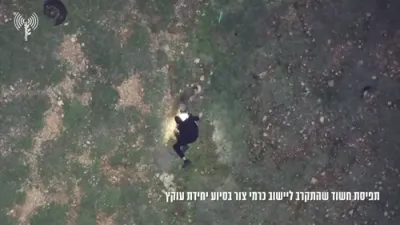
Intelligence confirmed that the vessel was actively participating in narcotics transport and terrorist-related operations. The mission employed advanced surveillance and precision targeting, using infrared monitoring to track the small boat before multiple precision strikes caused it to erupt in flames and sink. The operation demonstrates the U.S. military’s capability to conduct targeted counter-narcotics and counter-terrorism missions while minimizing risk to personnel.
Operation Southern Spear reflects the Trump administration’s continued focus on disrupting transnational criminal and terrorist networks contributing to the illegal drug trade, particularly the flow of fentanyl from Latin America. By combining intelligence, real-time surveillance, and precision strike capabilities, U.S. forces can neutralize high-value targets while maintaining strategic oversight of regional trafficking routes.
Southern Command emphasized that the strike serves as both a tactical and strategic deterrent, signaling to narcotics and terrorist networks that U.S. forces possess the operational capacity to respond decisively to threats in the Caribbean. Officials note that ongoing coordination with regional partners enhances the effectiveness of such missions, helping secure maritime routes against criminal exploitation.
The operation underscores the evolving role of drone-enabled precision strikes in countering hybrid threats that combine narcotics smuggling with terrorism financing. By targeting vessels directly engaged in illicit activities, Southern Command aims to reduce the operational freedom of narco-terror organizations and protect regional and U.S. security interests.