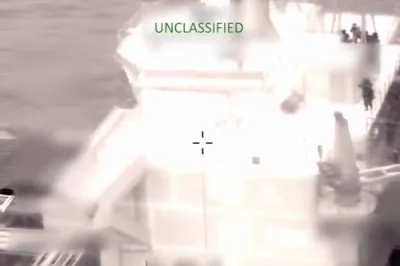
אמעריקאנער כוחות האבן אפגעשטעלט סאנקציאנישע ווענעזועלישע אויל טאנקערס אויפן ים.
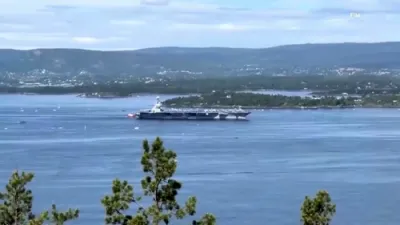
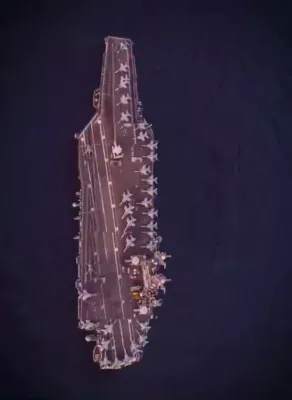
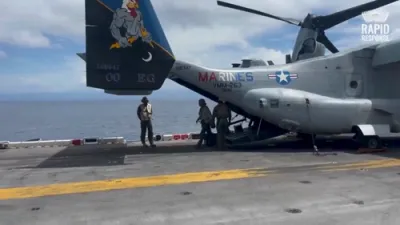
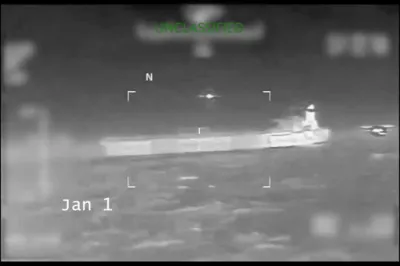
The United States demonstrated unprecedented global maritime reach this week as U.S. forces successfully tracked and boarded the sanctioned oil tanker Veronica III in the Indian Ocean, enforcing President Donald Trump’s quarantine on illicit Venezuelan oil exports. The operation, conducted without resistance, followed an 8,000-mile pursuit that began in the Caribbean and ended with a precision right-of-visit boarding supported by MH-60 Seahawk helicopters and naval assets.
The Veronica III, a Panamanian-flagged vessel long associated with the shadow network moving Iranian, Russian, and Venezuelan crude, attempted to evade U.S. sanctions enforcement by fleeing Venezuelan waters after the collapse of the Maduro regime. Carrying nearly two million barrels of oil, the tanker represented a significant revenue stream for sanctioned actors who have relied on falsified registries, disabled tracking systems, and complex transshipment schemes to bypass international controls.
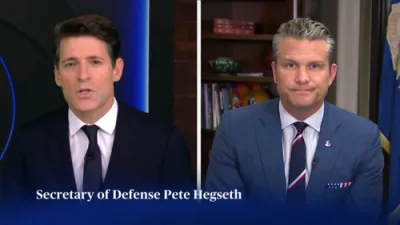
Pentagon officials emphasized that the interdiction was conducted under established maritime law, sending a clear signal that international waters will not serve as a sanctuary for sanctions violators. The Department of War underscored that illicit actors and their proxies will be denied freedom of movement across the maritime domain, reinforcing a doctrine of forward defense that projects U.S. power far beyond traditional operating areas.
This marks the second major interdiction of a shadow fleet tanker in recent weeks, reflecting a sustained campaign to dismantle the financial lifelines of hostile regimes. Treasury data has long indicated that sanctions evasion through maritime smuggling has generated billions in illicit revenue since 2020, funding authoritarian governments and their regional proxies. By physically stopping these shipments at sea, the Trump administration is transforming sanctions from a largely financial tool into an operational enforcement regime backed by military capability.
The successful boarding also highlights the strategic integration of intelligence, surveillance, and naval mobility. Tracking a single vessel across multiple oceans requires persistent satellite monitoring, signals analysis, and coordinated fleet positioning—capabilities few nations possess at scale. Defense officials framed the operation as proof of U.S. endurance, reach, and resolve in protecting global trade routes from exploitation by sanctioned networks.
Beyond its immediate economic impact, the interdiction carries broader geopolitical implications. Cutting off shadow oil flows constrains the ability of sanctioned states to fund destabilizing activities, including weapons procurement and proxy warfare, while reinforcing the credibility of U.S. deterrence. It also reassures allies that Washington remains committed to enforcing international norms against illicit trafficking on the high seas.
The message from U.S. leadership was unequivocal: distance will not shield violators, and maritime evasion tactics will be met with persistent pursuit. By land, air, or sea, the United States signaled its readiness to locate, intercept, and neutralize sanctions-breaking operations wherever they occur, marking a new phase in the global enforcement of economic warfare.