איראנע ווידיאו צילט א אמעריקאנע מיליטערישע באזע
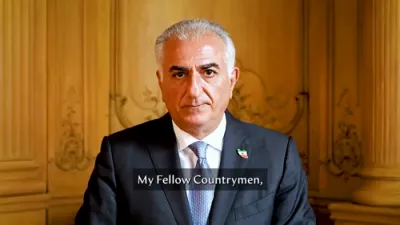
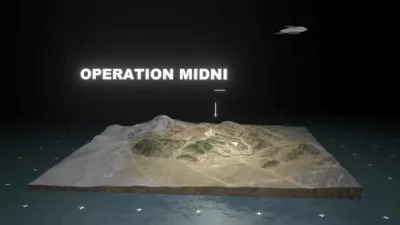
Iranian state media has released a propaganda video simulating missile strikes against Muwaffaq al-Salti Air Base in Jordan, a critical installation used by the United States for F-16 operations and intelligence, surveillance, and reconnaissance missions. The video employs satellite imagery and animated targeting sequences to portray the base as vulnerable, signaling a deliberate attempt by Tehran to project deterrence and rally domestic and regional audiences amid escalating tensions with Washington.
The timing of the release is significant. It follows recent U.S. airstrikes on Iranian-linked militia targets in Syria and Iraq conducted on February 13, 2026, in response to proxy attacks on American personnel and facilities. Those strikes were framed by U.S. officials as defensive and proportional, intended to degrade the operational capacity of groups aligned with Iran’s Islamic Revolutionary Guard Corps while avoiding direct confrontation with Iranian territory. Tehran’s response through media channels reflects a familiar strategy of asymmetric signaling—leveraging psychological operations and threat narratives while calibrating its military posture below the threshold of open conflict.
Muwaffaq al-Salti Air Base represents a strategic hub for U.S. and allied operations across the Levant, supporting counterterrorism missions, regional surveillance, and rapid response capabilities. By highlighting this specific facility, Iranian messaging seeks to underscore the geographic reach of its missile and drone arsenal and to challenge the perception of American force protection in the region. Military analysts note that such propaganda often blends exaggerated claims with selective imagery to create a perception of precision targeting, even when actual operational feasibility remains uncertain.
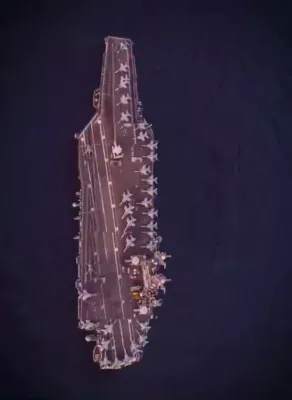
The broader context is a rapidly evolving security environment tied to Iran’s advancing nuclear program and the continued activity of its proxy network across Iraq, Syria, Lebanon, and Yemen. U.S. defense planning, according to multiple reports, now includes preparations for sustained operations aimed at deterring further attacks on American forces and partners. This posture aligns with a dual-track approach combining military readiness with diplomatic pressure, particularly as indirect negotiations over Iran’s nuclear activities remain stalled.
For regional allies, including Israel and Jordan, the video reinforces longstanding concerns about Iran’s missile capabilities and its willingness to employ information warfare as part of a broader strategy of coercion. Jordan, a key U.S. security partner, has historically maintained a delicate balance between regional diplomacy and defense cooperation with Washington. Public threats against installations on its territory introduce additional political and security sensitivities for Amman.
From a strategic communications perspective, Iran’s release is designed less as an operational warning and more as a narrative instrument—aimed at shaping perceptions of power, resilience, and retaliation. However, such messaging carries inherent risks. In an environment already marked by proxy attacks, military deployments, and nuclear brinkmanship, highly publicized targeting simulations can contribute to miscalculation by normalizing the idea of direct strikes against U.S. assets.
The coming period will test whether these escalatory signals remain confined to rhetoric and media or translate into kinetic activity through proxy channels. For the United States and its partners, maintaining credible deterrence while avoiding unintended escalation will remain the central challenge as the confrontation with Iran enters a more volatile phase.