מאקרון קריטיקירט טראמפ פארן ארויסלייגן פריוואטע מעסעדזשעס
French President Emmanuel Macron publicly criticized former U.S. President Donald Trump for sharing private diplomatic messages, describing the act as a breach of fundamental norms of respect that underpin international leadership. Speaking in a February 2026 interview, Macron emphasized that constructive disagreements are part of diplomacy, but they must be conducted with a baseline of courtesy and trust developed over years of collaboration.
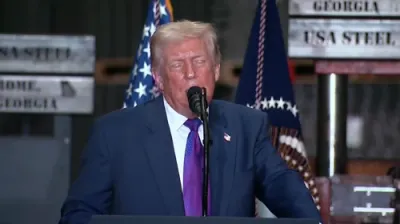
The comments come in the wake of a January 2026 incident in which Trump posted a series of private texts from Macron, including proposals for a G7 summit in Paris that referenced potential discussions involving Russia, as well as questions regarding U.S. actions related to Greenland. Some messages also contained references to potential tariffs on French wine, raising concerns about the public exposure of sensitive negotiations. Macron described the public dissemination of these communications as “going backward” in the standards of leadership, underscoring his surprise that such norms would be disregarded in modern statecraft.
Macron’s critique highlights the importance of diplomatic discretion, which serves as the foundation for mutual trust between international partners. Leaders rely on confidential exchanges to negotiate complex issues ranging from economic policy to security arrangements, and breaches of that trust can disrupt long-standing cooperative relationships. In his remarks, Macron framed respect as not only a personal virtue but a strategic tool that preserves credibility, facilitates dialogue, and enables governments to achieve sustainable agreements.
Observers note that the episode reflects broader tensions between traditional diplomatic practice and contemporary approaches to transparency and media engagement, particularly in an era where social media amplifies the reach of personal communications. While Trump’s approach has been characterized by direct public messaging, Macron’s statements underscore the potential risks to international negotiation frameworks when sensitive content is made public without prior consultation.
Macron’s emphasis on respect extends beyond etiquette, highlighting its role in shaping the predictability and stability of international relations. By publicly addressing the incident, he reinforced the principle that leadership involves maintaining professional standards even amid political disagreements and strategic competition. The remarks signal to both domestic and foreign audiences that France views the maintenance of trust and discretion as essential to effective governance.
The episode has sparked debate among diplomats, analysts, and political commentators about the balance between transparency and confidentiality in the modern era. While public scrutiny of leaders is considered essential in democratic societies, Macron’s response reflects concern that violations of diplomatic norms can have tangible consequences for policy coordination, alliance management, and global stability.
Ultimately, Macron’s statement serves as a reminder that diplomacy is not only about negotiation but also about the cultivation of credibility, the preservation of institutional memory, and the consistent application of respect across decades of international engagement. Leaders who disregard these norms risk undermining both their own effectiveness and the collaborative frameworks upon which global security and economic stability depend.