דריי מענטשן טויט נאך א אמעריקאנע אטאקע אויף דראג שיפן
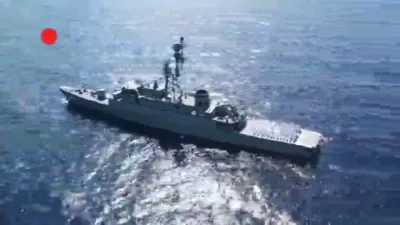
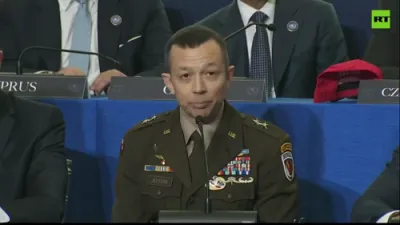
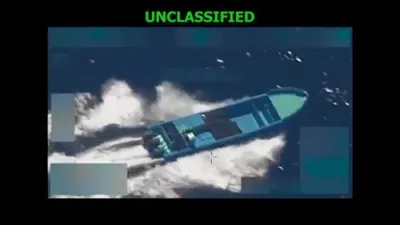
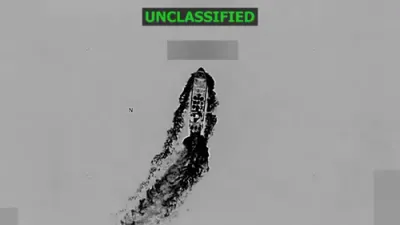
On February 20, 2026, U.S. military forces under the command of Marine Gen. Francis L. Donovan carried out a precision drone strike in the Eastern Pacific Ocean that eliminated three narco‑terrorists aboard a vessel transiting known narcotics trafficking routes. Joint Task Force Southern Spear, part of U.S. Southern Command’s expanded counter‑narcotics effort, identified the target as a vessel linked to designated terrorist organizations engaged in dangerous and illicit smuggling operations. The lethal kinetic strike was executed with no U.S. casualties, highlighting both the capability and resolve of American forces operating in international waters.
The February 20 strike represents the latest action in Operation Southern Spear, a campaign launched in September 2025 under the Trump administration to disrupt maritime narcotics trafficking and dismantle criminal networks that endanger U.S. national security. Supported by unmanned drones, aircraft, and naval assets, Southern Spear has carried out dozens of engagements across the Eastern Pacific Ocean and Caribbean Sea, destroying 44 vessels and killing approximately 148 individuals identified by U.S. officials as narco‑terrorists. No U.S. service members have been harmed during these operations to date.
The administration has framed these strikes as lawful and necessary actions in an “armed conflict” against transnational criminal networks, arguing that cartel‑linked terror organizations exploit maritime routes to smuggle narcotics into the United States and pose a direct threat to American communities. Proponents of the campaign praise its aggressive disruption of trafficking operations and credit it with interrupting supply chains that fuel addiction and violence across the hemisphere. (
However, these operations have not been without controversy. Human rights groups and legal experts have criticized the use of lethal force against unarmed or non‑uniformed targets in international waters without due process, describing the actions as extrajudicial killings that may violate international law. Some have also questioned the transparency of intelligence used to classify those killed as narco‑terrorists, calling for clearer evidence and oversight.
As the Trump administration maintains its strategic emphasis on degrading narco‑terror networks, Southern Spear remains a central element of broader U.S. efforts to secure maritime domains and stem the flow of illegal drugs. With ongoing operations and further engagements likely, the campaign continues to shape debate over how best to balance force with legality and effectiveness in confronting security threats beyond traditional battlefields.