איראנע ראקעטן העכער על אוידעד באזע
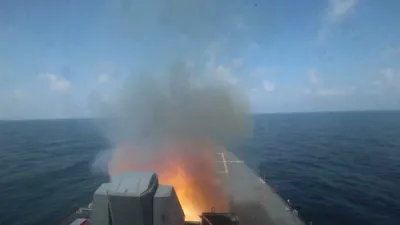
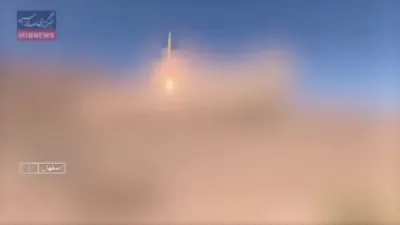
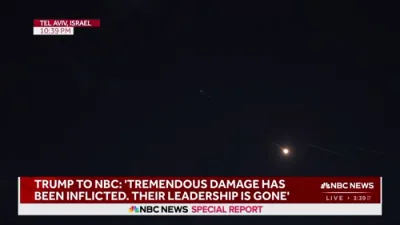
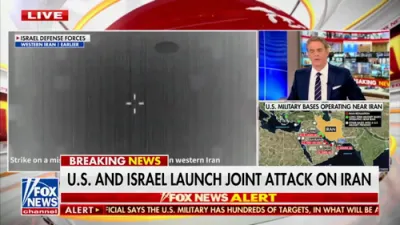
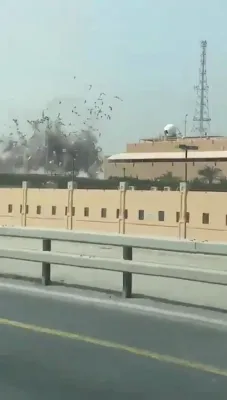
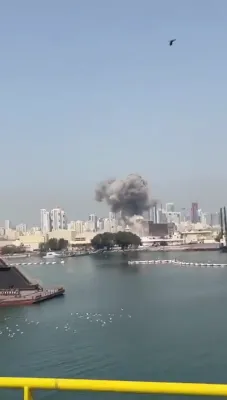
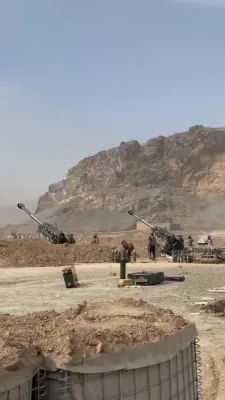
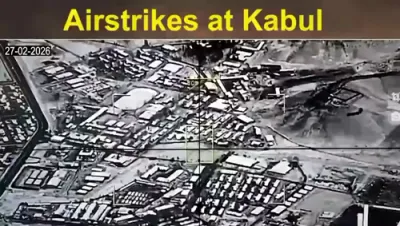
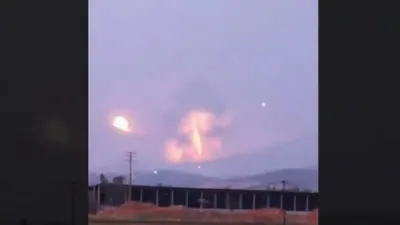
Real-time footage shows U.S. Patriot missile batteries intercepting the majority of 66 Iranian ballistic missiles launched at Al Udeid Air Base in Qatar on February 28, 2026. The strikes were part of Iran’s retaliatory response following joint U.S.-Israeli operations targeting Iranian nuclear and military infrastructure.
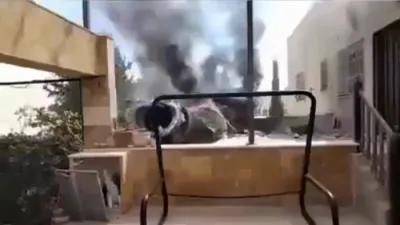
While most incoming missiles were successfully neutralized, debris from the interceptions caused collateral damage on the base. Eight personnel were reported injured, and a clinic sustained structural damage, highlighting the persistent risk posed by shrapnel and fallout even when defensive systems perform effectively.
Al Udeid Air Base, a critical hub for U.S. operations in the Middle East, houses personnel, aircraft, and strategic assets, making it a high-value target in retaliatory strikes. Base security and emergency teams were quickly mobilized to tend to the injured and assess damage, ensuring operational continuity despite the impact.
Military analysts emphasize that missile defense systems significantly reduce the risk of catastrophic hits but cannot entirely eliminate hazards in densely populated military installations. The incident underscores the importance of layered protection, dispersal protocols, and rapid medical response to mitigate casualties during large-scale missile barrages.
As the regional situation evolves, U.S. forces maintain heightened alert levels across allied bases, coordinating closely with Gulf partners to manage incoming threats and prevent further injuries or structural damage. The Al Udeid incident illustrates both the effectiveness and inherent limitations of current missile defense capabilities in a high-intensity conflict environment.