אמעריקע לאזט ארויס LUCAS דראון קעגן איראן-געשטיצטע מיליציע.
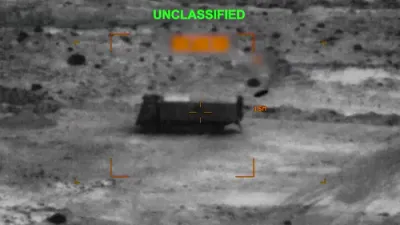
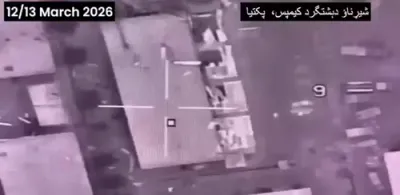
Newly surfaced footage appears to show the first clear operational use of the U.S.-developed LUCAS drone, a low-cost one-way attack system modeled after Iran’s widely known Shahed-136 drone design. The video, reportedly recorded during a strike operation in Iraq, provides a rare look at the drone in action as it targets an Iran-backed militia position.
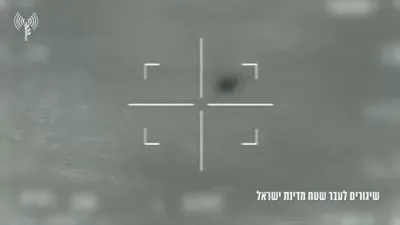
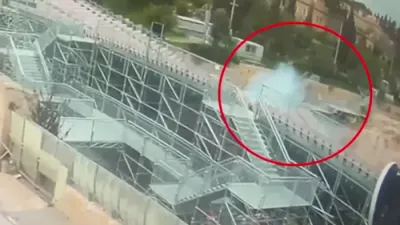
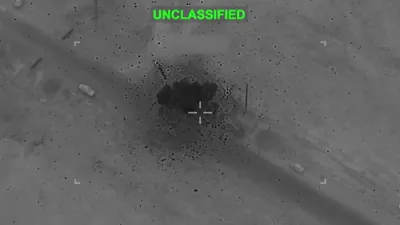
The footage, captured from the drone’s onboard camera, shows the aircraft flying at low altitude over rural terrain, passing fields and scattered buildings before approaching what appears to be a designated target area. Moments later, the drone descends rapidly toward the location and impacts the structure, triggering a powerful explosion followed by fire and thick smoke rising from the site.
Military observers believe the strike likely targeted a position linked to Iraq’s Popular Mobilization Forces (PMF), a network of militias that includes groups aligned with Iran. While the specific militia group has not been publicly identified, analysts note that PMF factions have long operated across Iraq and have been involved in periodic confrontations with U.S. and allied forces.
The LUCAS drone represents a notable example of rapid technological adaptation in modern warfare. Rather than developing an entirely new system from scratch, engineers reportedly reverse-engineered design concepts from Iran’s Shahed-136 loitering munition, which has been widely used in conflicts across the Middle East and beyond. By replicating and modifying key design features, U.S. developers were able to produce a similar platform designed for low-cost deployment and flexible battlefield use.
Like the Shahed series, the LUCAS drone operates as a one-way attack system. Once launched, the drone travels toward its target using onboard navigation systems and detonates upon impact. These types of drones are often described as “loitering munitions,” combining the characteristics of both a missile and an unmanned aerial vehicle.
The release of the footage comes amid escalating proxy confrontations between U.S.-aligned forces and Iranian-backed groups throughout the region. Since early 2026, tensions have risen sharply following a series of missile attacks, drone strikes, and retaliatory operations involving Iran, Israel, and U.S. military assets across multiple theaters.
Analysts say the introduction of systems like LUCAS reflects a broader strategic effort to counter adversaries using similar low-cost drone technology. Iranian-designed Shahed drones have gained attention for their relatively inexpensive construction and ability to overwhelm air defenses when deployed in large numbers. By developing comparable platforms, the United States may be seeking to neutralize that advantage while maintaining operational flexibility.
The combat debut of the LUCAS system reportedly occurred in February 2026 during operations targeting Iran-linked networks. Since then, reports suggest the system has seen mixed operational results. In one incident earlier in March, a LUCAS drone reportedly crashed and was later recovered largely intact by local civilians in Iraq, highlighting both the rapid pace of deployment and the potential risks associated with fielding newly developed technology.
Despite these challenges, the newly released footage appears to demonstrate the drone’s precision strike capability. The video clip, lasting more than forty seconds, shows stable flight and accurate terminal guidance leading directly to the impact point. The resulting explosion suggests the drone carried a payload capable of causing significant localized damage.
As drone warfare continues to evolve, systems like LUCAS illustrate how quickly military technologies can be adapted, replicated, and deployed in active conflict zones. The growing reliance on low-cost unmanned platforms by multiple actors across the Middle East underscores the changing nature of modern combat, where innovation and rapid adaptation often shape battlefield outcomes as much as traditional military hardware.
With proxy conflicts intensifying and drone technology spreading across regional battlefields, analysts expect further developments in electronic warfare, counter-drone defenses, and unmanned strike capabilities as nations continue competing for technological advantage in the airspace above modern conflicts.