ווענס וויל נישט ענטפערן איבער זיין מיינונג איבער די איראנע מלחמה
U.S. Vice President JD Vance declined to disclose details of his advice to President Donald Trump regarding military operations in Iran during a recent media exchange, emphasizing the importance of confidentiality in national security decision-making. Responding to a reporter’s question about the president’s initial deliberations and whether Vance had raised concerns over extended military engagements, he invoked both legal and ethical considerations to justify his refusal.
Vance explained, “I hate to disappoint you, but I'm not gonna show up here and in front of God and everybody else tell you exactly what I said in that classified room… Partially because I don't wanna go to prison, and partially because I think it's important for the president of the United States to be able to talk to his advisors without those advisors running their mouth to the American media.” He framed the statement with a lighthearted nod to divine accountability while underscoring the gravity of sharing classified deliberations.
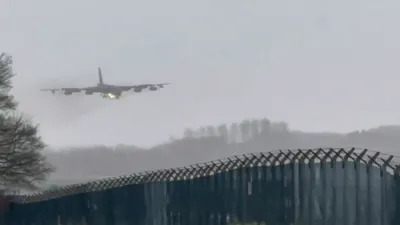
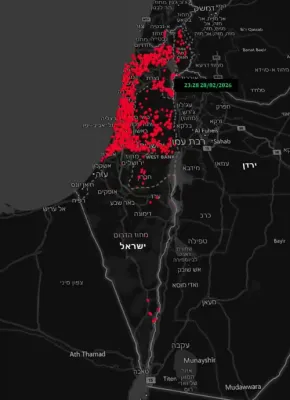
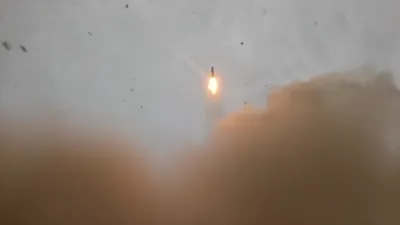
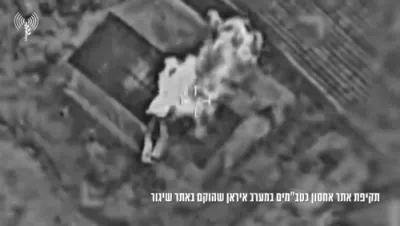
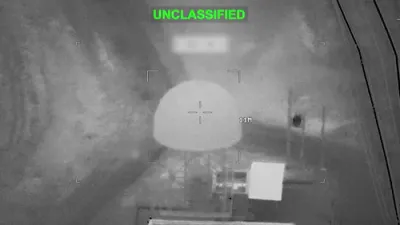
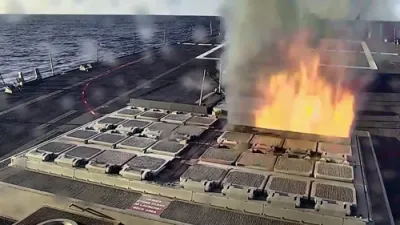
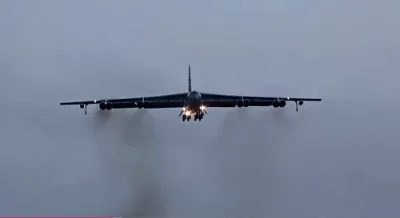
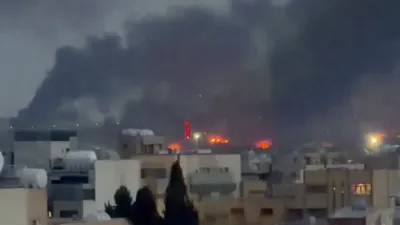
The comments come two weeks into the 2026 Iran War, which began on February 28 with coordinated U.S.-Israeli airstrikes targeting Iran’s nuclear and military infrastructure. The campaign reportedly eliminated Supreme Leader Ali Khamenei and struck more than 900 sites, while resulting in reported U.S. casualties and significant Iranian losses, including naval assets.
Vance’s response highlights the administration’s discipline in maintaining operational security amid ongoing hostilities. By refusing to discuss Situation Room deliberations, he reinforced the principle that senior officials must communicate candidly without concern for immediate media exposure. Analysts note that this approach is central to effective decision-making during high-stakes military campaigns, where public disclosure of classified strategies could jeopardize operations and personnel.
Observers of international and U.S. politics have interpreted Vance’s remarks as a demonstration of both prudence and loyalty, reflecting a broader emphasis on controlled messaging during a period of intense military and diplomatic activity. His statement underscores the tension between public curiosity, media scrutiny, and the necessity of protecting sensitive strategic discussions that underpin national security operations.
While reporters continue to seek insight into the administration’s strategic considerations, Vance’s refusal serves as a reminder that certain decisions and conversations are shielded from public disclosure, ensuring that national security protocols remain intact even amid high-profile conflicts and ongoing global attention.