איזראעלי מיניסטער סער: נישטא קיין דירעקטע פארהאנדלונגען בשעת חיזבאללה גייט ווייטער מיט די אטאקעס.
Israeli Foreign Minister Gideon Sa’ar stated that Israel will not engage in direct talks with Lebanon as long as Hezbollah continues its attacks. Sa’ar emphasized that Israel does not have fundamental disagreements with the Lebanese state itself, but that Hezbollah’s ongoing actions are the primary obstacle to dialogue.
He remarked, “We have no real deep differences with the Lebanese state. The problem is Hezbollah. Since the ceasefire in November 2024, Lebanon has not done what it should have done. We are now seeing the results.” The ceasefire, originally brokered by the United States and set to last 60 days, was intended to enforce mutual withdrawals and enable UN monitoring of the region. However, Lebanon’s failure to disarm or restrain Hezbollah has led to repeated escalations.
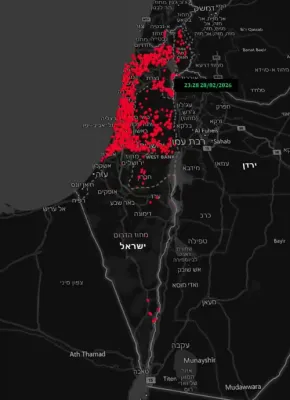
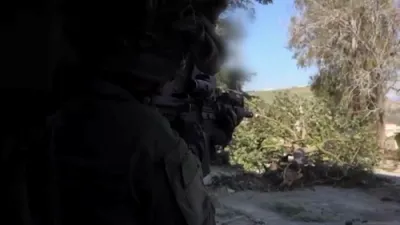
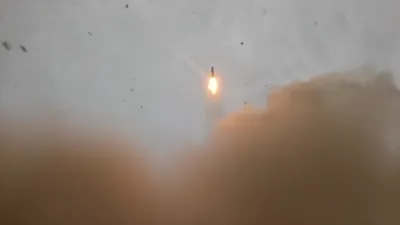
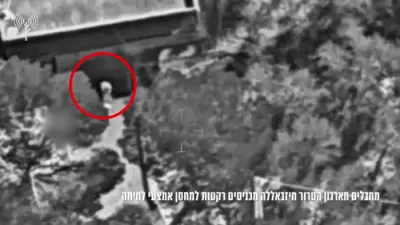
Since March 2, 2026, Hezbollah has fired over 100 rockets into Israel, further complicating the security situation amid the ongoing Israel-Iran war. Analysts note that Sa’ar’s remarks reflect Israel’s policy of distinguishing between the Lebanese state and militant groups operating within its borders, holding Hezbollah solely accountable for hostilities rather than the country as a whole.
The statement underscores Israel’s position that meaningful negotiations are contingent on Hezbollah ceasing attacks and complying with prior ceasefire agreements. Security experts highlight that continued rocket fire and violations increase tensions along the northern border, making diplomatic engagement dependent on demonstrable changes in Hezbollah’s behavior.
Observers also note that the ongoing conflict has wider implications for regional stability, including U.S. efforts to mediate and monitor ceasefire compliance. Sa’ar’s comments signal that Israel intends to maintain a firm stance until Hezbollah is effectively restrained, while remaining open to dialogue with the Lebanese government once security conditions are met.