עזה איז ארענדזש שטויביג
A powerful dust storm swept across the Gaza Strip on Saturday, March 14, transforming the skyline into an eerie orange haze and dramatically reducing visibility across the region. The storm blanketed streets, buildings, and vehicles with fine dust, casting the entire city in an unusual orange-tinted light that residents described as both surreal and unsettling.
Local authorities reported that the storm was driven by strong winds carrying dense clouds of desert dust across the coastal territory. As the storm intensified, visibility dropped significantly in several areas, making travel hazardous and forcing many residents indoors. The thick airborne dust also raised concerns about air quality and respiratory health, particularly among vulnerable populations.
The Hamas-run Interior Ministry issued a public warning urging Palestinians to remain inside their homes until conditions improved. Officials specifically advised individuals suffering from respiratory illnesses, including asthma and other breathing-related conditions, to avoid exposure to the dust-filled air. Medical professionals often warn that such storms can aggravate lung conditions due to the concentration of fine particulate matter.
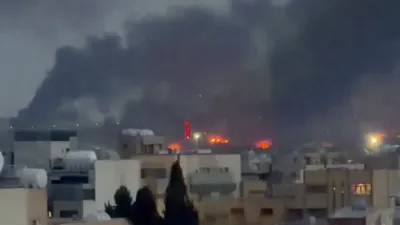
Images and videos circulating online showed entire neighborhoods covered in a deep orange glow as the dust filtered sunlight and settled across the city. Vehicles moved cautiously through the reduced visibility while pedestrians shielded their faces from the blowing sand and debris.
Dust storms are not uncommon in the Middle East and eastern Mediterranean regions, particularly during seasonal transitions when dry winds carry desert sand over populated areas. However, the intensity of the storm on March 14 created especially dramatic visuals and raised concerns about short-term public health effects.
Meteorologists note that these storms can last anywhere from several hours to multiple days depending on wind patterns and atmospheric conditions. In urban environments like Gaza, the combination of dust, humidity, and dense infrastructure can cause airborne particles to linger, prolonging the effects even after winds begin to calm.
Authorities continue to monitor conditions while urging residents to limit outdoor activity until the dust settles and visibility returns to normal. For many residents, the storm served as a stark reminder of how quickly weather conditions can transform the region’s landscape and daily life.