מדינת ישראל אטאקירט א בריק פון חיזבאללה אין לבנון
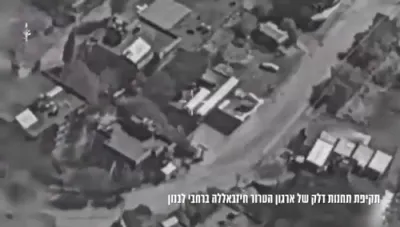
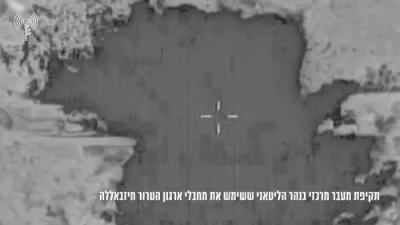
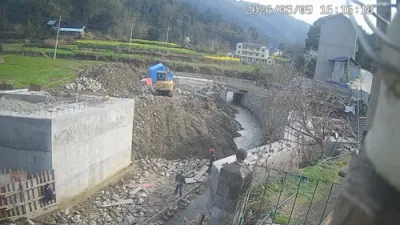
A major bridge in southern Lebanon was left badly damaged after an Israeli strike tore a crater through the Qasmiyeh crossing, disrupting a key route linking villages in the Tyre district with areas farther north. Images from the scene showed a large section of the bridge ripped open, underscoring the scale of the damage to one of the region’s important transportation links. The strike is part of Israel’s broader campaign to deny Hezbollah the ability to move fighters, weapons, and supplies through southern Lebanon.
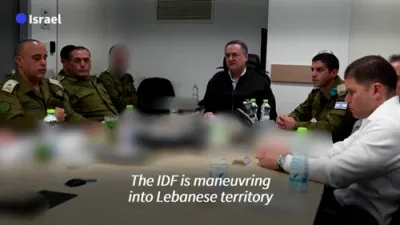
The attack came shortly after Israeli Defense Minister Israel Katz said the military had been ordered to destroy more bridges over the Litani River. Katz has argued that Hezbollah has used crossings in the area for operational movement and logistics, and Israeli officials have framed the strikes as part of an effort to reshape the security landscape along the northern front. Reuters reported earlier that Israel had already struck additional Litani River bridges and was intensifying its campaign against infrastructure it says benefits Hezbollah.
Qasmiyeh Bridge serves as an important artery in southern Lebanon, so its damage is likely to worsen civilian hardship while also signaling Israel’s willingness to hit state infrastructure during the current phase of the war. The strike fits into a pattern of expanding Israeli operations in southern Lebanon, where the military has also targeted homes, roads, and other sites it says have been turned into Hezbollah positions or support nodes. That escalation has fueled growing concern over how far Israel intends to go in establishing what Katz described as a forward defensive line up to the Litani River.
For Israel and its supporters, the message behind the strike is clear: Jerusalem is seeking to break Hezbollah’s freedom of movement near the border and impose a new security reality in the south. For Lebanon, however, the destruction of another major crossing adds to the toll on already battered communities and deepens fears of prolonged isolation in the region. As the conflict intensifies, the crater at Qasmiyeh has become both a physical rupture and a symbol of the widening war along Israel’s northern border.