מדינת ישראל צילט אויף טעהראן, איספאהאן וואפן פאבריקן
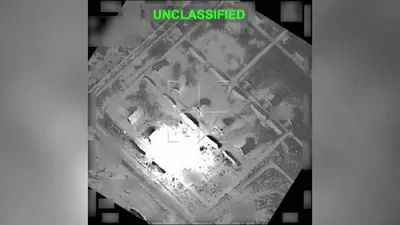
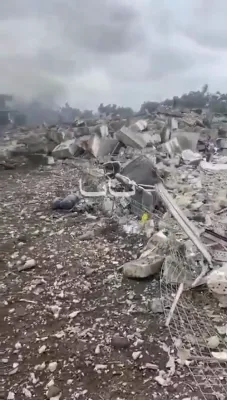
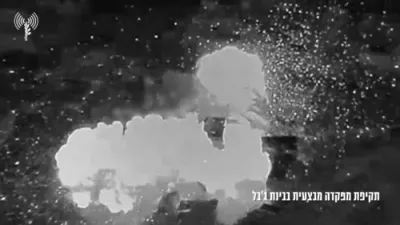
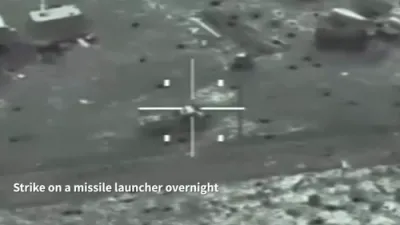
The Israeli Defense Forces carried out a major airstrike operation across Tehran and central Iran on March 26, 2026, targeting key weapons production facilities. Over 60 Israeli fighter jets dropped more than 150 munitions on sites including the Parchin complex, missile engine casting facilities, and warhead production lines linked to Iran’s solid-fuel ballistic missile program. The strikes aim to degrade Iran’s ability to manufacture advanced weapons and supply them to regional proxies such as Hezbollah and the Houthis.
Additional operations in Isfahan reportedly targeted a Quds Force-linked production site and other military industries supporting Iran’s missile and defense capabilities. IDF officials described the campaign as part of a coordinated effort to prevent Tehran from enhancing its offensive arsenal, emphasizing that further strikes are expected as necessary. The attacks are presented as a continuation of Israel’s ongoing strategic effort in the US-Israel-Iran conflict that began in late February.
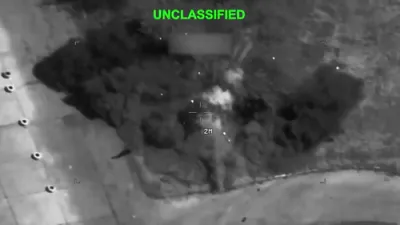
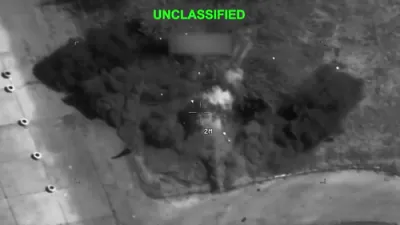
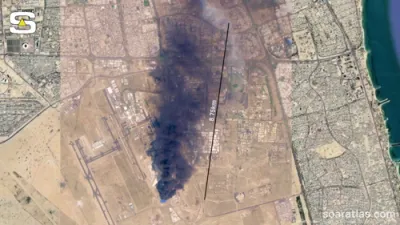
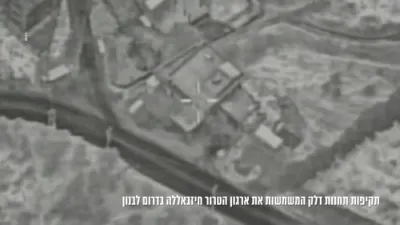
Satellite imagery accompanying the IDF announcement illustrates the scope and precision of the operation, highlighting the targeting of solid-fuel ballistic missile components. Analysts note that disrupting these facilities not only limits Iran’s direct missile production but also reduces the flow of advanced weaponry to regional militant groups. The strikes are designed to weaken Tehran’s operational capacity while signaling deterrence to its allies and proxies.
The campaign represents a significant escalation in the 2026 Israel-Iran war, combining intelligence-driven precision strikes with broader strategic objectives. By focusing on high-value targets, Israel seeks to impose long-term limitations on Iran’s military-industrial complex. Officials stress that these operations are defensive in nature, aiming to protect regional and international security while maintaining pressure on Tehran to reconsider its hostile actions.
Overall, the IDF’s air campaign underscores Israel’s commitment to preemptively neutralizing threats posed by Iran’s missile and weapons programs. The operation highlights the integration of advanced intelligence, tactical precision, and strategic messaging in modern aerial warfare, reinforcing Israel’s capability to disrupt adversary supply chains and maintain regional security dominance.