די געשיכטע פון א פילאט'ס רעטונג ברענגט ארויס די גרויזאמקייט פון די 'איזשעקשן' סיסטעמען.
Reports circulating in defense media claim that a U.S. Air Force F-15E crew member was forced to eject over Iran after his aircraft was shot down, leaving the weapons officer injured and evading capture for an extended period behind contested territory. According to these accounts, the pilot survived approximately 36 hours in hostile conditions before being extracted. The incident has not been independently verified by official U.S. military statements at this time. As such, details remain subject to confirmation.
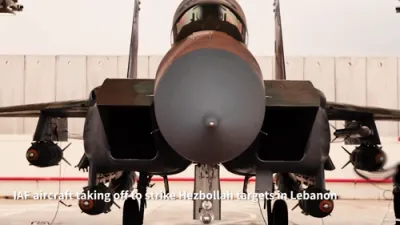
The aircraft involved is identified in reports as an F-15E Strike Eagle, a twin-seat multirole strike fighter used extensively in high-intensity combat operations. Ejection from such aircraft is described by aviation experts as an extremely violent event, involving rapid deceleration forces and high-speed separation from the cockpit. While designed to save lives, the process can still result in significant spinal and musculoskeletal injuries. Survivability often depends on altitude, speed, and body positioning at the moment of ejection.
Aviation specialists, including former military personnel, note that the physiological impact of ejection can be severe. The rapid upward acceleration from the ejection seat can subject pilots to extreme g-forces, potentially causing long-term spinal compression and joint trauma. In rare cases, medical studies have documented measurable height loss following repeated exposure or extreme single events. These risks persist even with modern improvements in ejection seat engineering.
Commentary on the incident includes analysis from TOPGUN-trained aviators and defense educators such as Matthew 'Whiz' Buckley, who has spoken publicly about the realities of high-performance ejection scenarios. He is associated with the No Fallen Heroes Foundation, which focuses on supporting military personnel affected by combat stress and injury. Experts emphasize that while ejection systems are lifesaving, they are still considered a last-resort mechanism in extreme combat situations.
The broader discussion highlights both the survivability and the physical cost of modern aerial warfare. Even when successful, ejection events often result in serious injury and psychological stress, particularly when followed by evasion behind enemy lines. Analysts note that such incidents underscore the extreme conditions faced by fighter crews in contested airspace. However, until official confirmation is released, the reported details of this specific event remain unverified.