טראמפ זאגט אז עפענען די הארמוז מיינט נישט אז אויל און געז פרייזן וועט גלייך פאלן
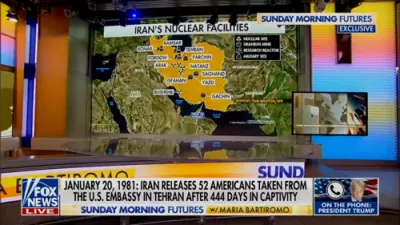
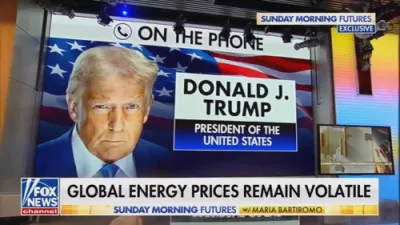
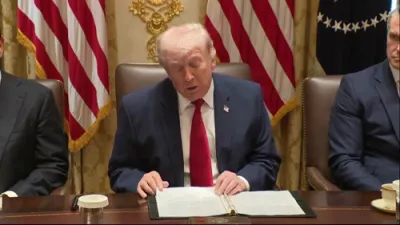
President Donald Trump stated in an interview with Maria Bartiromo that the U.S. strategy involving a Strait of Hormuz blockade and expanded domestic energy capacity may not immediately reduce oil and gas prices. He acknowledged that energy costs could remain stable or even increase in the short term, despite expectations that increased U.S. supply would eventually ease market pressures. Trump noted that gasoline prices have not risen as sharply as anticipated, but emphasized that broader strategic considerations outweigh short-term economic outcomes. The remarks reflect a prioritization of national security objectives over immediate market effects.
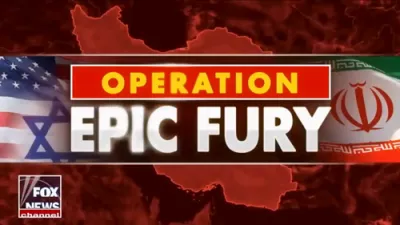
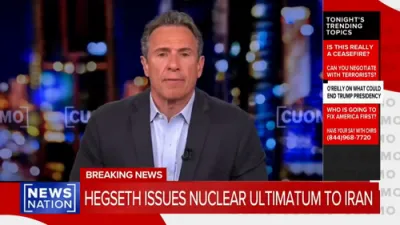
According to Trump, the primary driver behind the policy is the need to prevent Iran from advancing its nuclear capabilities, even if that goal carries economic tradeoffs. He framed the situation as a matter of strategic necessity rather than purely economic policy. This approach places security concerns above consumer price considerations, signaling willingness to absorb potential domestic economic impact. The comments align with a broader hardline posture following the collapse of U.S.-Iran negotiations.
Trump emphasized that the United States cannot allow adversarial groups to gain leverage through energy markets or geopolitical pressure points. He suggested that while market stabilization is an eventual goal, it cannot dictate the timing or scope of security operations. The statement underscores a belief that deterrence and containment must take precedence in volatile regions such as the Strait of Hormuz. This framing links energy policy directly with foreign policy objectives in the Middle East.
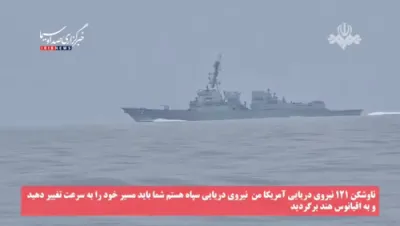
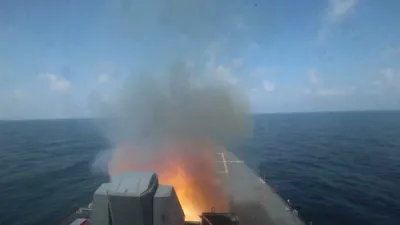
The Strait of Hormuz remains a critical chokepoint for global energy flows, and any disruption or enforcement action in the area carries immediate implications for international markets. Analysts note that blockade scenarios often create uncertainty that can temporarily offset the effects of increased domestic production. Trump’s remarks acknowledge this tension, indicating acceptance of short-term volatility in pursuit of long-term strategic goals. The policy direction reflects a broader willingness to prioritize geopolitical leverage over price stability.
As the situation evolves, the administration’s approach continues to tie energy policy to broader security concerns involving Iran. The balance between economic impact and strategic deterrence remains central to the debate surrounding U.S. actions in the region. With negotiations stalled, the emphasis appears firmly placed on preventing nuclear escalation, even at the cost of near-term economic uncertainty. The coming period will test how markets respond to sustained geopolitical pressure in a key global supply corridor.