אן ווידיאו איז מסביר וויאזוי די אטאם באמבע ארבעט.
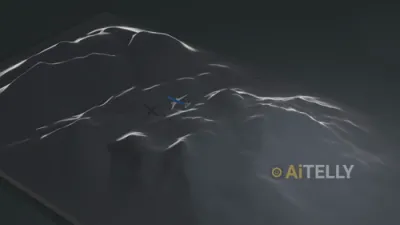
A widely circulated video claiming to show how an atomic bomb works has gained attention online, presenting a detailed 3D animation of a plutonium-based nuclear device. The clip illustrates the implosion mechanism associated with designs similar to the Atomic bombing of Nagasaki, where conventional explosives compress a plutonium core to trigger a nuclear chain reaction. While visually compelling, the video has been described as misleading in how it portrays key aspects of nuclear physics. Its growing popularity has prompted closer scrutiny from analysts and educators.
Despite claims that the video is AI-generated, it actually originates from an educational YouTube channel published in 2021. The animation aims to simplify complex processes for a general audience but introduces inaccuracies in doing so. Most notably, it incorrectly depicts plutonium atoms splitting into two plutonium atoms during fission. In reality, nuclear fission produces lighter elements along with neutrons and a significant release of energy, a distinction critical to understanding how atomic weapons function.
The implosion design shown in the animation is based on a real historical model, specifically the type of weapon used during World War II. This approach relies on precisely timed explosive lenses to compress the fissile material into a supercritical state, initiating a rapid chain reaction. While the general concept is accurately referenced, experts caution that oversimplified or incorrect visualizations can lead to widespread misunderstanding of highly technical processes. Educational clarity remains essential when addressing such consequential topics.
The video’s viral spread highlights the challenges of distinguishing between accurate educational content and misleading simplifications in the digital age. As nuclear technology remains a subject of global importance, accurate representation is crucial for informed public discourse. Misinterpretations, even when unintentional, can distort understanding of both the science and the historical implications of nuclear weapons. Analysts stress the importance of consulting verified sources when engaging with complex scientific material.
Ultimately, while the animation succeeds in drawing attention to the mechanics behind one of history’s most destructive weapons, it falls short in scientific precision. The discussion surrounding the video serves as a reminder of the responsibility that comes with presenting technical information to broad audiences. As such content continues to circulate, critical evaluation remains key to separating fact from simplification.