SAUDI ARABIA'S MILITARY BUILDUP: Satellite Images Reveal Expansion That Could Enable Longer-Range Missiles
Gallery
Videos
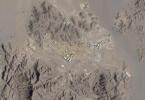
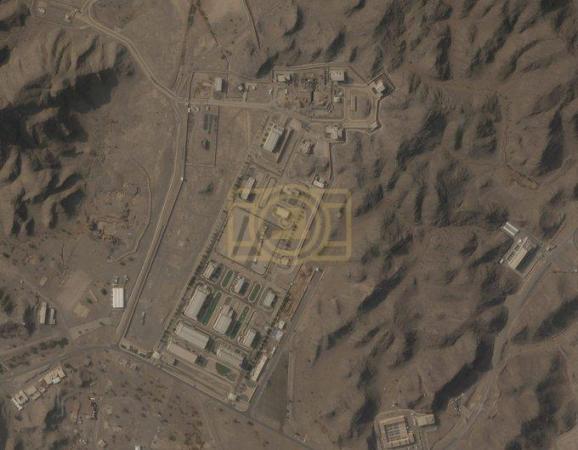
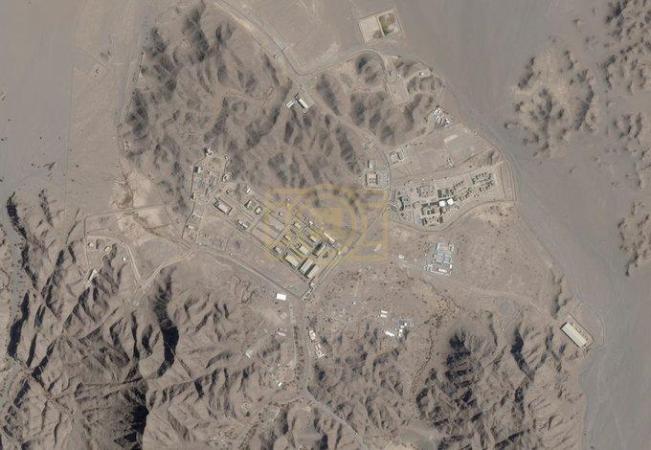
Saudi Arabia appears to be expanding a ballistic missile production complex in a move that could strengthen its military capabilities and intensify an emerging missile race across the Middle East, according to a report published by Reuters on October 23, 2026. Researchers Sam Lair and Michael Duitsman of the Foreign Policy Research Institute analyzed commercial satellite images of the al-Duwadimi complex, located approximately 125 miles west of Riyadh, and identified new construction that could support the production of larger solid-fuel missile motors. The expansion includes a building containing what researchers believe are casting pits used in manufacturing solid-fuel rocket motors, along with a second structure that could serve as storage. The new production infrastructure appears significantly larger than existing facilities, raising the possibility that Saudi Arabia could eventually manufacture missiles capable of carrying heavier payloads or traveling longer distances. The facility may be operational by the end of 2026, although its intended missile types and final production capabilities have not been officially confirmed.
The potential expansion could help Riyadh strengthen its deterrence against Iran, reduce its dependence on foreign weapons suppliers and improve its ability to respond to threats from Yemen's Ansarallah movement, commonly known as the Houthis. Analysts say longer-range missiles could give Saudi Arabia additional options for striking distant targets without exposing its aircraft to hostile air defenses. The development also reflects a broader regional trend, with countries including the United Arab Emirates and Turkey pursuing improvements to their missile capabilities. Researchers believe the Saudi complex may rely on Chinese technology, consistent with the kingdom's historical acquisition of Chinese-designed ballistic missiles, although the specific systems planned for domestic production remain uncertain. The expansion could also intensify scrutiny of U.S.-Saudi nuclear cooperation, as some American lawmakers have raised concerns about proliferation risks associated with nuclear technology and advanced missile delivery systems. Saudi Arabia's apparent modernization effort therefore carries implications beyond its national defense, potentially affecting regional deterrence, military competition and the wider security balance across the Middle East.