PENTAGON AUTHORIZES HEAT-RAY TEST: DHS Gets Seven Months to Evaluate Directed-Energy Weapon at Southern Border

Gallery
Videos
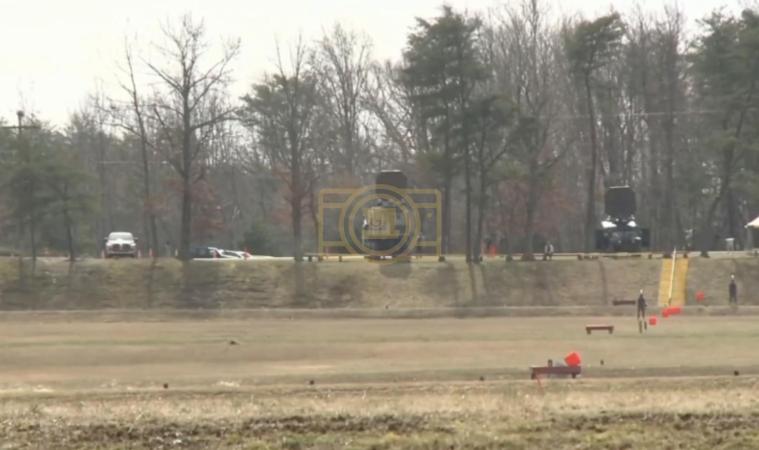
The Pentagon has authorized the U.S. Department of Homeland Security (DHS) to borrow and test a military-grade directed-energy weapon known as the Active Denial System (ADS) for potential use along the U.S.-Mexico border. According to a memo signed by Defense Secretary Pete Hegseth in September and reported by CNN on October 21, 2026, the authorization allows DHS to temporarily use one system for seven months to evaluate its capabilities and develop operational procedures. The technology emits an invisible beam of millimeter-wave electromagnetic energy that heats the surface of a person's skin, producing an intense burning sensation designed to make the targeted individual move away. U.S. military officials say the system can reach targets more than half a mile away, with the sensation typically subsiding after exposure ends, although residual tingling may last 10 to 15 minutes. Historical demonstration footage shows people abruptly retreating from the beam's effects as operators control the vehicle-mounted system.
The authorization marks a significant step toward evaluating a technology previously considered for military crowd control but never used in active combat operations. DHS has not publicly specified where the system will be tested or exactly how officials might use it in border enforcement, and approval for testing does not mean it has been deployed against migrants. Under the memo, DHS will be responsible for operating the system and developing its procedures, while Pentagon personnel are prohibited from operating it. The proposal has raised questions about potential injuries, legal authority and public safety, particularly if the weapon is used against people near rivers or other hazardous terrain where a sudden attempt to flee could lead to accidents or drowning. Although the ADS is designed to be non-lethal, that designation does not eliminate the possibility of injury under certain conditions. The upcoming evaluation will help determine whether the technology can be incorporated into border operations, but its eventual use will depend on DHS decisions and the results of testing.