ECONOMIC CRUSH: Treasury Chief Bessent Says Iran Lashing Out After Heavy Losses

Gallery
Videos
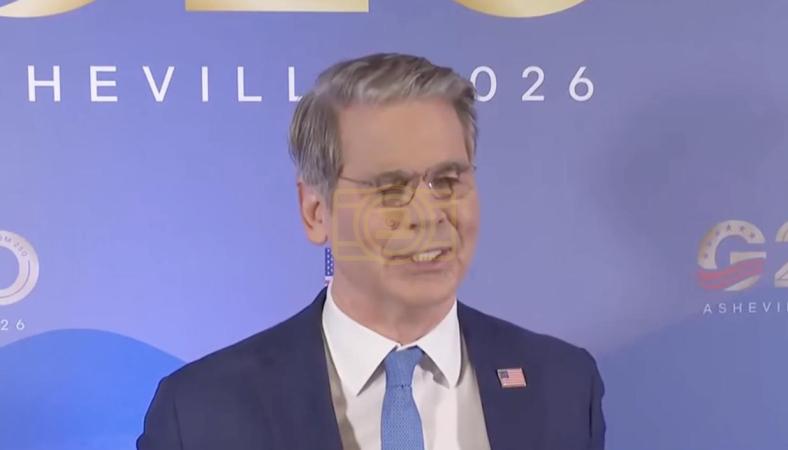
U.S. Treasury Secretary Scott Bessent declared that Iran is taking American sanctions very seriously and that its leaders are shocked by the current state of their economy. Speaking at the G20 finance ministers meeting in Asheville, North Carolina, Bessent said Tehran is lashing out with military actions because it is losing ground economically. He added that Iranian officials must come to their senses in the face of mounting financial pressure. The comments offer a clear assessment from the top U.S. economic official on the impact of ongoing restrictions. Bessent framed the situation as one in which economic isolation is driving Iran’s recent behavior.
The Treasury Secretary’s remarks come as part of the broader Trump administration effort known as Operation Economic Outcast. This strategy relies on secondary sanctions and a naval blockade to cut Iran off from global finance and oil export markets. The goal is to isolate the country from the international economic system while conflict continues in the region. Bessent’s public statements at the G20 gathering reinforce the message that these measures are producing visible results inside Iran. By highlighting the shock among Iranian leaders, he signaled confidence that the pressure campaign is working as intended.
According to Bessent, the severity of Iran’s economic problems has become impossible for its leadership to ignore. He described a situation in which financial losses and restricted access to markets have created deep internal strain. The decision to respond with military actions, in his view, reflects desperation rather than strength. The Treasury chief’s language was direct, stating that Iran must recognize the costs and adjust course. His appearance at the G20 meeting provided an international stage for delivering that assessment to other major economies.
Operation Economic Outcast combines financial tools with maritime enforcement to limit Iran’s ability to sell oil and move money through global channels. Secondary sanctions target third parties that continue doing business with Iranian entities, expanding the reach of U.S. restrictions. The naval blockade component aims to disrupt shipping routes that have previously allowed oil to reach buyers despite earlier measures. Together these steps are designed to shrink Iran’s revenue and increase the difficulty of sustaining its economy. Bessent’s comments suggest the administration believes the combined approach is already registering inside Tehran.
The Treasury Secretary’s evaluation adds a high-level economic perspective to the ongoing confrontation. By stating that Iranian leaders are shocked by conditions at home, he pointed to measurable damage rather than abstract policy goals. The claim that military actions stem from economic losses reframes recent events as a reaction to financial stress. Officials following the G20 discussions will likely weigh Bessent’s words against their own assessments of Iran’s resilience. The public nature of the remarks ensures the message reaches both domestic and international audiences.
As the pressure campaign continues, attention will focus on whether Iran shows any shift in behavior or policy. Bessent’s insistence that Tehran must come to its senses sets a clear expectation from the U.S. side. The combination of secondary sanctions and naval measures remains central to the strategy of isolation. For now, the Treasury Secretary’s statement at the Asheville meeting stands as a confident declaration that the economic costs are being felt at the highest levels in Iran. The coming weeks may reveal how Tehran chooses to respond to that reality.