IRANIAN SOLDIERS: US Treasury Chief Bessent Urges Ordinary Iranian Soldiers to Question Commanders Leading Them to Ruin.

Gallery
Videos
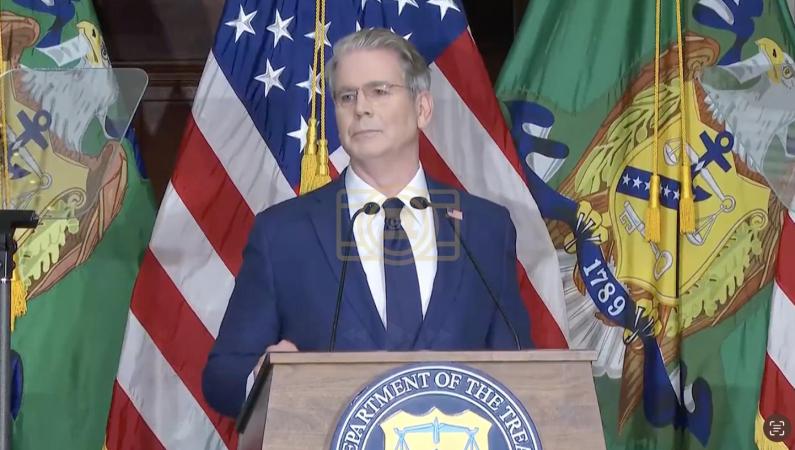
Treasury Secretary Scott Bessent delivered a direct message to ordinary Iranian soldiers who continue to support the current regime. He noted that more and more of their paychecks are either stopping or being delayed, and he urged them to ask a fundamental question: whether their commanders are leading the country toward triumph or toward ruin. Bessent framed the growing financial pressure as a personal reality that every soldier must confront. His remarks form part of the broader economic campaign aimed at isolating Tehran.
Bessent drew a historical parallel to the fall of the Berlin Wall. He reminded Iranian troops that the wall came down when ordinary soldiers decided not to open fire on their own people. The comparison places the choice facing Iranian forces in a larger context of regimes that lost the loyalty of the rank and file. By invoking that moment, Bessent suggested that the decisions of individual soldiers can ultimately determine the fate of a government under severe strain. The message is aimed at those still receiving or expecting military pay.
The secretary also addressed the governments and entities that have enabled Tehran. He warned them not to discount the cost of testing Washington’s resolve. The statement presents continued support for Iran as a calculated risk that carries real consequences. Bessent’s language leaves little ambiguity: the United States is prepared to impose significant costs on anyone who continues to prop up the Iranian regime. The warning is intended to discourage third parties from stepping in to offset the pressure already being applied.
The combination of messages targets both internal and external pillars of support for Tehran. To the soldiers, Bessent highlights the immediate material hardship of unpaid or delayed wages and invites them to question the direction of the leadership. To outside enablers, he signals that economic and political costs will rise if they persist. The two audiences are linked by the same underlying strategy of isolation. As financial stress increases inside Iran, the loyalty of ordinary troops becomes a critical variable.
Bessent’s remarks arrive against the backdrop of intensified U.S. sanctions and economic measures. By speaking directly to the soldiers about their paychecks and to external backers about the price of defiance, he is attempting to accelerate the regime’s isolation from both within and without. The reference to the Berlin Wall serves as a reminder that even heavily armed governments can unravel when the people ordered to enforce them refuse. The full impact of the message will depend on how widely it is heard and whether it influences decisions on the ground.
For now, the statement stands as a clear and pointed communication from the highest levels of the U.S. Treasury. Ordinary Iranian soldiers are being told that their economic pain is real and that they should examine the path their commanders have chosen. Those who continue to enable Tehran are being told that the cost of testing American resolve will not be light. The dual appeal underscores the administration’s belief that sustained pressure can reach both the street level and the international support network that has kept the regime afloat.