Israel Warns Iran Seeks Nuclear Weapons to Threaten West.

Gallery
Videos
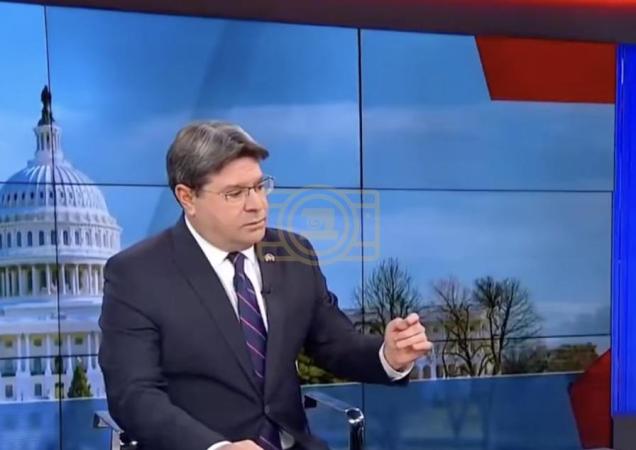
Israel’s Consul General Ofir Akunis issued a stark warning about Iran’s nuclear and missile ambitions during an appearance on NEWSMAX. “The Iranian regime, the evil empire, the ayatollahs want to keep their nuclear weapons and intercontinental missiles. Why? They want, in the future, to use them toward Europe and then the US,” Akunis said, framing the issue as one of urgent international concern.
His remarks come amid satellite imagery from February 6, 2026, showing Iran actively repairing nuclear and missile facilities that had been damaged in previous strikes, underscoring Tehran’s determination to advance its strategic capabilities. The comments reflect Israel’s long-standing apprehension about Iran’s potential to develop weapons capable of striking European and North American targets.
The warnings arrive as diplomatic developments unfold. On February 9, Iran reportedly offered to dilute its 60% enriched uranium stockpile in exchange for the full lifting of U.S. sanctions, potentially reopening negotiations on the nuclear file. Israel, however, continues to advocate for stronger international action, emphasizing that Iran’s missile and nuclear programs pose an existential threat that cannot be mitigated through partial agreements alone.
Akunis’s statements highlight the dual-track challenge facing the international community: managing potential diplomatic engagement while confronting the ongoing military and technological threat posed by Tehran. For Israel, the stakes remain particularly high, reinforcing the nation’s call for vigilance, deterrence, and coordinated global measures to prevent Iran from achieving nuclear strike capability.