CHINA'S NEW BUYER: Uzbekistan Debuts New Jet Fighters on Independence Day
Gallery
Videos
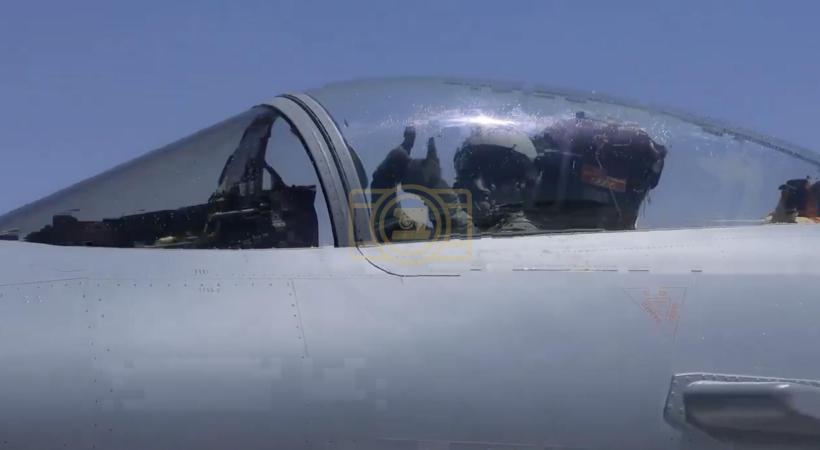
Uzbekistan pulled back the curtain on one of its most closely watched defense secrets this weekend, officially confirming its acquisition of China's J-10CE fighter jets during nationally televised Independence Day celebrations. State broadcaster O'zbekiston 24 aired footage showing six of the jets landing and taxiing at Karshi-Khanabad Air Base, marking the first time Tashkent has publicly acknowledged owning the aircraft. The reveal came during a two-hour broadcast marking the country's 35th anniversary of independence, with Uzbek President Shavkat Mirziyoyev reportedly on hand for the occasion. The jets were shown receiving a traditional water-cannon salute, a ceremonial gesture typically reserved for marking a significant military arrival.
The confirmation puts an end to more than a year of speculation surrounding the purchase, during which unofficial photos and spotter reports hinted at the aircraft's presence without any formal acknowledgment from either Tashkent or Beijing. One of the six jets shown bore the tail number 1014, and the aircraft displayed space on their tails designated for Uzbekistan's national flag, a detail that had fueled earlier suspicions about their origin. Unconfirmed reports suggest Uzbekistan may have ordered as many as twenty-four of the fighters in total, though neither government has verified that figure. All six aircraft shown in the footage were also seen carrying external fuel tanks for extended-range operations.
This acquisition makes Uzbekistan the second confirmed foreign operator of the J-10CE, following Pakistan, which became the type's first export customer back in 2022 and has flown the jet alongside its JF-17s and American-built F-16s. The J-10CE, built by Chengdu Aircraft Corporation, represents the most heavily modernized version of the J-10 program and comes equipped with an active electronically scanned array radar, upgraded avionics, and advanced composite materials. Notably, the aircraft delivered to Uzbekistan appear to lack the fixed in-flight refueling probe found on other J-10 variants, likely because the country does not currently operate aerial refueling aircraft.
The move signals a major shift in Uzbekistan's air power strategy, as the country works to phase out its aging fleet of Soviet-era MiG-29 and Su-27 fighters in favor of more modern hardware. It also reflects Beijing's growing push to expand its footprint in the international arms market, particularly across Central Asia, where Chinese-made platforms are increasingly competing with older Russian systems. China has been actively courting other potential buyers as well, with reports suggesting Bangladesh is close to finalizing its own deal for the same aircraft. For Uzbekistan, the public unveiling marks not just a modernization milestone, but a clear statement about where its long-term defense partnerships are heading.