OIL THREAT: Iran Warns It Could Disrupt Middle East Shipments As U.S. Prepares New Sanctions.
Gallery
Videos
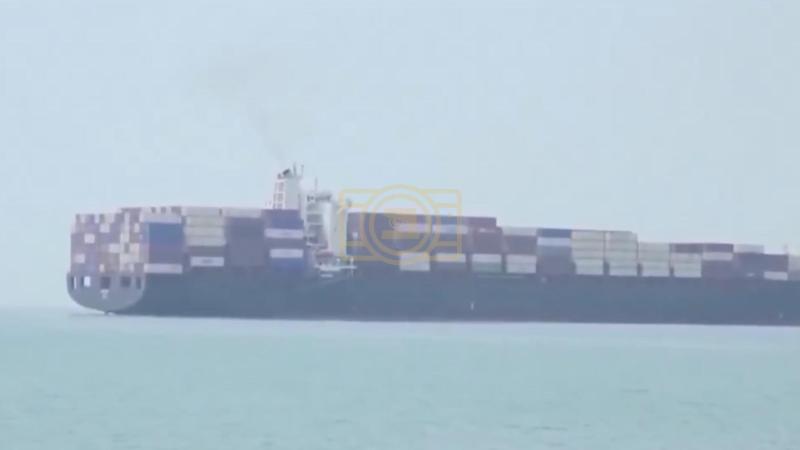
Iran has issued a stark warning that it could disrupt or completely halt oil shipments from the Middle East if the United States moves forward with a new round of economic sanctions. The threat targets the flow of crude through the Persian Gulf and the vital Strait of Hormuz, a narrow waterway that handles roughly one-fifth of the world’s oil supplies. Iranian official Mohsen Rezaei delivered the message as Washington prepares expanded secondary sanctions aimed at Iran’s trading partners. U.S. Treasury Secretary Scott Bessent has described the coming measures as an “economic D-Day,” signaling an aggressive push to isolate Tehran’s remaining financial channels.
The warning arrives during an ongoing six-month conflict across the Middle East that has already kept energy markets on edge. Rezaei’s statement raises the possibility that Iran could attempt to block tanker traffic in one of the planet’s most critical shipping lanes. Such a move would immediately threaten global oil supplies and send prices sharply higher. Analysts note that even the credible threat of disruption often triggers rapid price spikes as traders scramble to secure alternative routes and stockpiles. The Strait of Hormuz remains the single most important chokepoint for crude leaving the region’s major producers.
U.S. officials are preparing secondary sanctions that would penalize companies and countries still doing business with Iran. These measures go beyond direct restrictions on Tehran and aim to cut off the financial networks that allow Iranian oil and other goods to reach international markets. Bessent’s “economic D-Day” label underscores the scale and intensity of the planned pressure campaign. The sanctions are expected to target remaining trading partners who have continued limited commerce with Iran despite earlier rounds of restrictions.
For energy markets, the combination of Iranian threats and American sanctions creates a dangerous feedback loop. Any credible attempt to impede tanker traffic through the Strait of Hormuz would force shipping companies to reroute vessels around Africa or seek other costly alternatives. Insurance rates for Gulf transits would climb, and oil-importing nations in Asia and Europe would face higher costs and potential supply shortages. The fact that one-fifth of global crude currently passes through the waterway means even a temporary disruption could ripple through gasoline prices, airline fuel costs, and industrial energy expenses worldwide.
The latest exchange highlights the deepening confrontation between Washington and Tehran. Iran is using the threat of oil disruption as leverage against further economic isolation, while the United States is preparing tools designed to squeeze Iran’s remaining revenue streams. Both sides appear locked in a high-stakes test of resolve that could quickly escalate beyond words. Markets will be watching closely for any signs that Iran is positioning vessels or forces near the Strait, or that the U.S. is accelerating the rollout of the secondary sanctions package.
As the situation develops, the central question remains whether Iran will follow through on its warning or whether the threat is intended mainly as a deterrent. Either way, the mere possibility of interrupted oil flows from the Middle East is already injecting fresh uncertainty into global energy markets. Consumers and industries around the world may soon feel the effects if the confrontation intensifies and shipping through the Strait of Hormuz comes under genuine pressure.