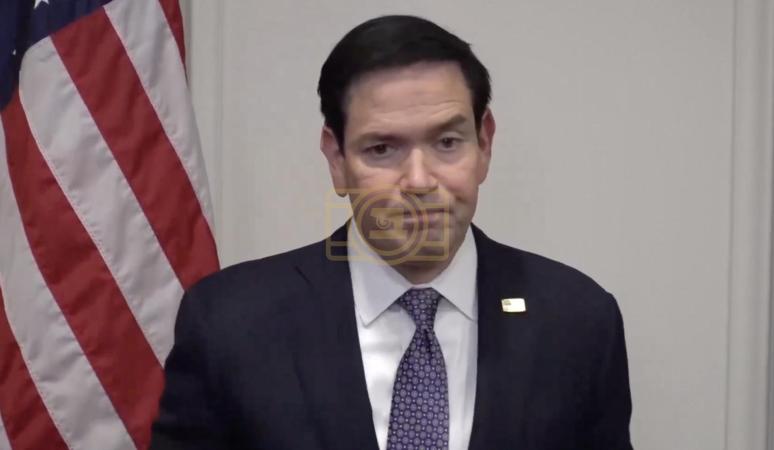
END OF AN ERA: Secretary Rubio Confirms US Talks To Wind Down Israel Military Financing
Gallery
Videos
Secretary of State Marco Rubio has confirmed that the United States and Israel are working toward ending U.S. military financing for Israel, with President Trump pushing for it to happen "as soon as possible." Rubio said the talks are part of negotiations over a new memorandum of understanding, the multi-year deal that sets the terms of U.S. security assistance. In his words, the president's view is that Israel is now prosperous and rich enough to be a "sales country," meaning it can buy American weapons without Washington paying for them. Rubio reportedly framed the goal as ideally happening by 2027, though no new agreement has been signed.
The shift would be huge. The current 2016 memorandum provides about $3.8 billion a year through 2028, including roughly $3.3 billion in military financing grants and $500 million for missile defense, and Congress still has to approve that money every year. The idea didn't come out of nowhere, because Prime Minister Benjamin Netanyahu has himself proposed winding down U.S. aid, though his plan reportedly stretched over about a decade, and U.S. Ambassador Mike Huckabee has said the next deal "ends aid" and will be based on trade. Supporters argue Israel is a wealthy, advanced economy that no longer needs grants, while critics and analysts raise questions about how fast the change should come, how it could affect oversight in Congress, and what it means for Israel's security. The big question is whether the final deal will really end the financing, and on what timeline.