MILITARY AID: Rubio Says Israel Can Afford To Buy U.S. Weapons And Has Offered To Pay Its Own Way
Gallery
Videos
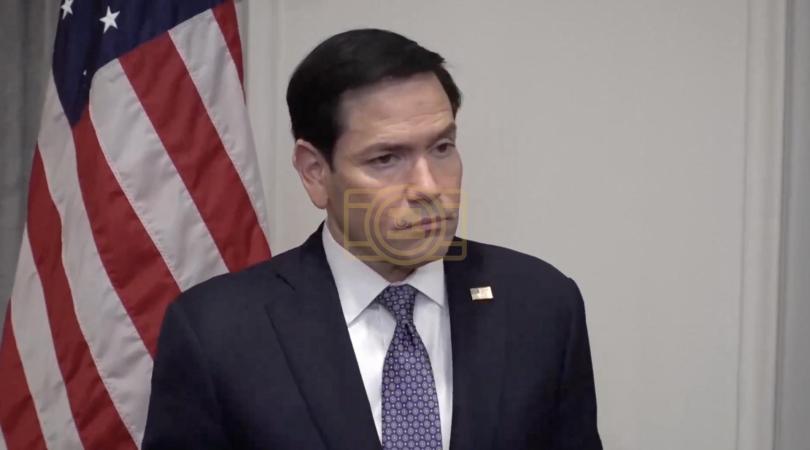
U.S. Secretary of State Marco Rubio says Israel has become economically strong enough to purchase American weapons without relying on financial assistance from Washington, signaling a potential shift in the two countries’ long-standing military aid arrangement. Speaking to reporters at the G7 foreign ministers’ summit in Paris on November 9, Rubio said President Donald Trump wants the financing portion of U.S. assistance to end as soon as possible. “Israel is now prosperous and rich enough to be able to be a sales country. They can buy the weapons from us, but we no longer have to provide the financing,” Rubio explained. He added that Israeli officials had themselves raised the possibility of moving away from American financial support. Rubio also said Israel could potentially begin financing its own defense purchases in 2027, depending on the outcome of negotiations. The comments indicate that Washington and Jerusalem are discussing a transition toward commercial arms purchases and expanded defense cooperation rather than the existing system of annual military grants.
The discussions involve the current 10-year U.S.-Israel memorandum of understanding, signed in 2016, which provides approximately $38 billion in military assistance over fiscal years 2019 through 2028, including roughly $3.8 billion annually. President Trump recently said he expects the assistance to end by the close of 2026, claiming that Prime Minister Benjamin Netanyahu had agreed to the proposed change. Netanyahu had previously expressed interest in gradually reducing Israel’s dependence on American military aid over the next decade, although the timeline now being discussed appears significantly faster. Rubio indicated that negotiations over a revised memorandum would address the transition period and opportunities for joint weapons production, meaning the end of direct financing would not necessarily end U.S.-Israeli defense cooperation or American arms sales to Israel. The existing agreement remains in effect, and any changes to annual U.S. funding would also involve congressional appropriations decisions. The emerging question is how quickly the two governments can negotiate a new arrangement while maintaining their extensive military and security partnership.