HIRING REBOUND: U.S. Adds 162,000 Jobs, Triple What Economists Predicted
Gallery
Videos
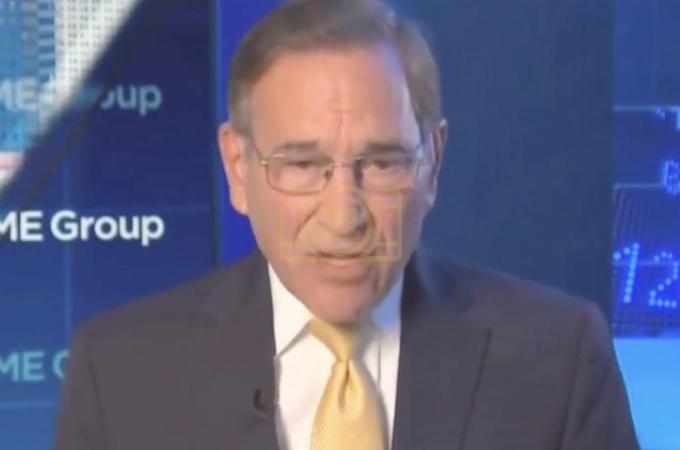
The U.S. labor market just delivered a number nobody was expecting. The Bureau of Labor Statistics reported that employers added 162,000 jobs in August, blowing past the consensus forecast of roughly 53,000 to 58,000 jobs predicted by economists surveyed by Dow Jones and LSEG. That's nearly triple what Wall Street had penciled in, and CNBC's on-air reaction captured the mood succinctly, noting the gain was basically three times what expectations were. The unemployment rate held steady at 4.1 percent, matching expectations and suggesting the labor market found solid footing after a rocky summer.
What makes this report even more striking is what it did to the recent past. Alongside the fresh August figures, the Bureau of Labor Statistics revised June and July numbers upward by a combined 55,000 jobs. June's total moved from an initial 20,000 to 31,000, a modest but meaningful upward correction. July's number underwent a far more dramatic shift, flipping from an initially reported loss of 23,000 jobs to a gain of 21,000, effectively erasing what had looked like a concerning contraction and replacing it with real growth. Together, these revisions turned a stretch that once looked like economic weakness into a picture of quiet, steady expansion.
The strength in August wasn't confined to one industry either. Restaurants and bars led the way with 59,000 new jobs, followed by a 42,000 gain in government education roles and a 16,000 increase in manufacturing. Health care, which has been the primary engine of job growth over the past year, added a comparatively modest 13,000 positions, well below its recent 12-month average. There were softer spots too, with information-related industries losing 23,000 jobs, a decline some analysts have linked to the growing footprint of artificial intelligence in that sector, showing that even a strong headline number comes with a mixed undercurrent.
Beyond the raw numbers, this report lands at a pivotal moment for economic policy. It's expected to shift the Federal Reserve's attention toward upcoming inflation data ahead of an interest rate decision less than two weeks away, since a stronger-than-expected labor market changes the calculus for how aggressively the central bank might move. Average hourly earnings also ticked up 10 cents to $37.75, with wages now up 3.1 percent over the past year, adding another data point for policymakers to weigh. For an economy that just months ago looked like it might be sliding toward stagnation, August's numbers, combined with the revised summer figures, tell a very different story: one of resilience showing up right when it was needed most.