ENERGY SURGE: Wright Declares Trump Nuclear Goals Met and Far Exceeded
Gallery
Videos
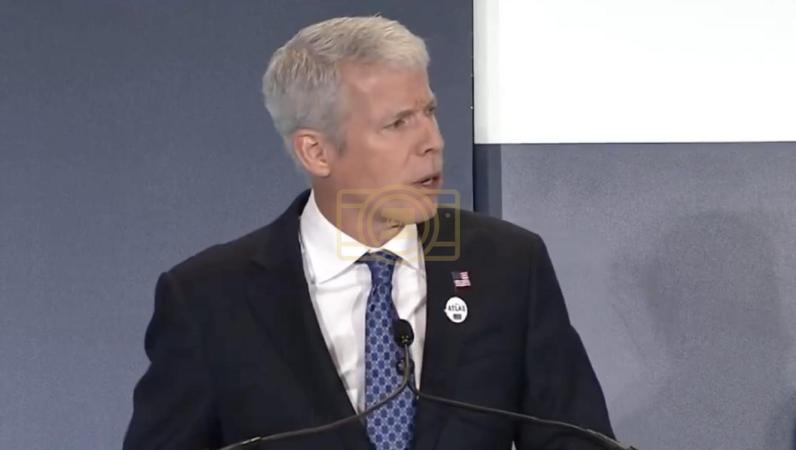
US Energy Secretary Chris Wright spoke at the official launch of ATLAS, a new International Atomic Energy Agency initiative focused on safe nuclear applications for civilian shipping and floating power plants. The program centers on the use of small modular reactors to bring nuclear technology to maritime settings. Wright used the occasion to underline the Trump administration’s broader effort to revitalize the American nuclear sector. He told the audience that bold goals set last spring have not only been achieved but exceeded. The remarks positioned the United States as a driving force in the next phase of nuclear development.
ATLAS, which stands for Atomic Technologies Licensed for Applications at Sea, aims to create clear pathways for the responsible deployment of nuclear systems on the water. The initiative addresses both propulsion for civilian vessels and the generation of electricity from floating platforms. Small modular reactors form the technological core of the concept because of their compact size, enhanced safety features, and potential for factory production. By establishing licensing and safety frameworks under the IAEA, the program seeks to build international confidence in these applications. Commercial deployment is targeted for the 2030s.
The launch took place during a two-day ministerial event hosted by the United States in Washington, DC. More than fifty countries participated, bringing together officials from the nuclear and maritime sectors. The gathering was designed to foster practical cooperation, share technical expertise, and accelerate innovation while maintaining rigorous safety standards. Discussions covered regulatory alignment, industrial partnerships, and the steps needed to move from demonstration projects to widespread use. The strong international turnout reflected growing global interest in nuclear solutions for clean energy and shipping.
Wright highlighted specific areas of progress under the current administration, including advances in small reactors, space reactors, and the revival of large-scale reactor construction. He credited the clear direction set by President Trump for creating momentum across the nuclear enterprise. According to the secretary, the combination of policy support, private-sector engagement, and technical achievement has produced results that surpassed the original targets. This record of delivery was presented as evidence that the United States is prepared to lead in both terrestrial and maritime nuclear applications. The message linked domestic revitalization directly to the new international initiative.
The emphasis on safety and commercial viability remains central to the ATLAS effort. Participants examined how small modular reactors can be adapted for the unique conditions of the marine environment while meeting the highest international standards. Floating power plants, in particular, offer the possibility of delivering electricity to coastal or remote regions without the need for extensive onshore infrastructure. Civilian shipping applications could eventually reduce reliance on conventional fuels for large vessels. These prospects explain why so many nations chose to join the Washington discussions.
As the ministerial meetings conclude, the focus shifts toward turning the ATLAS framework into concrete projects and agreements. The United States has used the event to showcase both its technological capabilities and its willingness to work with partners on shared standards. Wright’s assertion that nuclear goals have been exceeded supplies a confident backdrop for these conversations. Whether the 2030s timeline for commercial deployment holds will depend on sustained cooperation, continued innovation, and the ability of regulators to keep pace with new designs. For now, the launch of ATLAS marks a visible step toward expanding nuclear technology beyond traditional power plants and onto the world’s waterways.