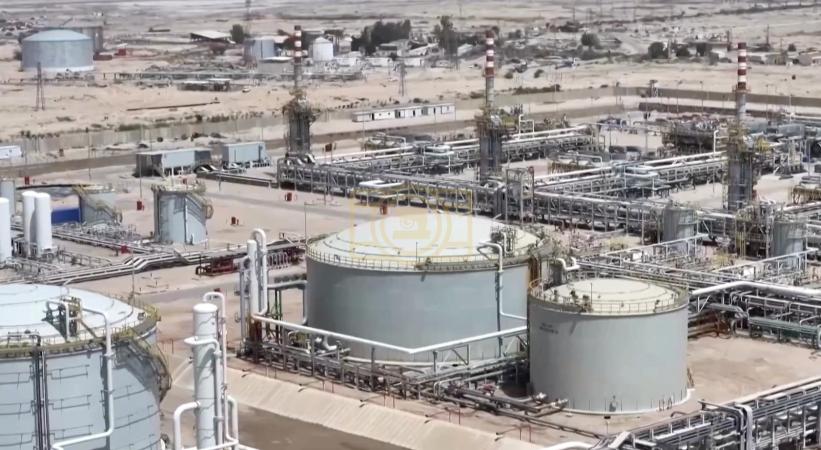
ECONOMIC SIEGE: Iran's Main Trading Partners Might Be in Danger for the Economic D-Day.
Gallery
Videos
President Donald Trump’s “economic D-Day” threat against Iran is putting Tehran’s remaining international trade network under intense scrutiny, with China, the United Arab Emirates, Turkey, Iraq and India among the countries with significant economic ties to Iran. The Trump administration has warned that countries and companies continuing to support Iran’s financial connections could face secondary sanctions, potentially cutting them off from important parts of the U.S.-dominated financial system. The strategy raises a major question: can Washington isolate Iran when its economy remains connected to powerful trading partners across Asia and the Middle East?
China represents the most important economic lifeline in the network, particularly because it remains by far Iran’s largest customer for crude oil. Kpler estimates that Chinese purchases of Iranian oil averaged about 1.38 million barrels per day in 2025, while the U.S.-China Economic and Security Review Commission says China imported almost 1.4 million barrels per day and accounted for roughly 12% of its total crude imports. That relationship makes Beijing a crucial test for Washington, because aggressive sanctions on Chinese financial institutions or companies could create consequences well beyond the Iranian economy.
The United Arab Emirates has historically served a different but equally important role, functioning as a major source of Iranian imports and a regional re-export hub. World Trade Organization data shows the UAE accounted for 30.6% of Iran’s imports in 2024, worth about $21 billion, while China represented 26% and Turkey 16.3%. But the picture has changed dramatically in 2026, with the UAE suspending trade and financial transactions with Iran, removing one of Tehran’s most important commercial channels at a critical moment.
Turkey and Iraq also remain significant because of their geographic proximity and energy relationships with Iran, while India has historically maintained commercial links despite U.S. sanctions. Reuters reported that Turkey’s bilateral trade with Iran has remained around $5–6 billion annually, while Iraq purchases billions of dollars of Iranian natural gas; India’s trade has become much smaller and increasingly concentrated in humanitarian goods. These relationships demonstrate why Washington’s attempt to isolate Iran is not simply a matter of stopping one export stream—it requires disrupting a web of energy sales, shipping, payments, re-exports and regional commerce.
The biggest question now is whether Trump’s economic offensive can overcome the networks Iran has developed after decades of sanctions. Tehran has relied on alternative payment arrangements, intermediaries, front companies and other mechanisms to keep trade moving, while China has continued purchasing Iranian oil despite U.S. pressure. Washington is betting that broader secondary sanctions can finally sever those remaining lifelines, but the deeper the United States pushes into the commercial interests of major powers, the greater the risk that the campaign creates a much wider economic confrontation.