MIDDLE EAST SHOCK: Erdoğan Accuses Israel of Fueling War.
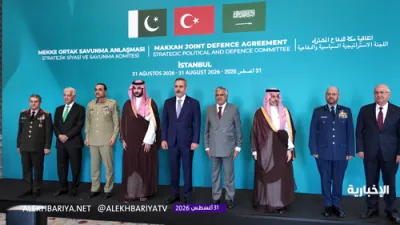
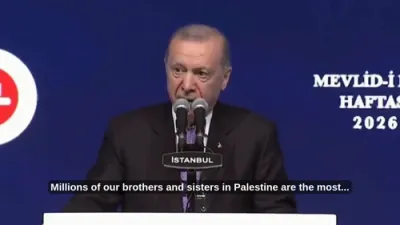
Turkish President Recep Tayyip Erdoğan has sharply escalated his rhetoric over the Middle East conflict, accusing Israel of being the “main catalyst” behind the current war. In an interview with Al Jazeera, Erdoğan linked his warning to the newly established Mecca Joint Defence Agreement between Türkiye, Saudi Arabia and Pakistan, saying the three countries would be able to take necessary steps together if any member comes under attack. His remarks come as tensions between Türkiye and Israel have intensified over developments in Syria and the wider regional conflict.
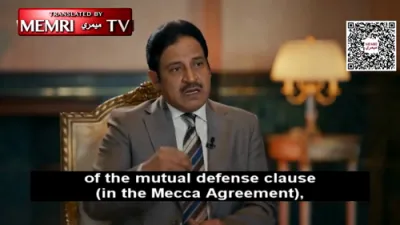
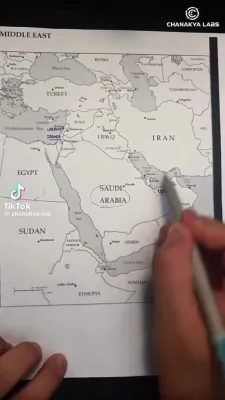
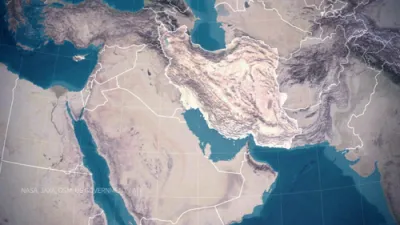
The Mecca agreement, signed on August 7, establishes a collective-defense framework under which an armed attack against one of the three countries is regarded as an attack against all three. Erdoğan has described the pact as a major transformation in regional security cooperation and said it gives Türkiye, Saudi Arabia and Pakistan greater capacity to respond collectively to aggression. The agreement also calls for deeper defense cooperation and joint projects in the defense industry, although Turkish officials have emphasized that the pact does not identify any country as a common enemy.
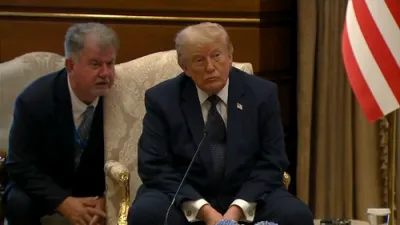
Erdoğan's comments are particularly significant because the alliance was announced during a period of rapidly changing regional power dynamics. Türkiye has strongly criticized Israeli military actions while also calling for diplomacy in the wider conflict, and Erdoğan has previously urged U.S. President Donald Trump to pursue negotiations with Iran. At the same time, Israel and Türkiye have become increasingly at odds over Syria, where their competing security interests have produced a new and potentially dangerous regional flashpoint.
The Turkish leader has also indicated that the new security arrangement could eventually expand beyond its three founding members. Erdoğan has said other countries could join and expressed a broader vision of bringing regional states into a framework centered on collective security and regional responsibility. That possibility could dramatically change the strategic calculations of Israel, Iran and other Middle Eastern governments if the pact develops into a larger security network.
The biggest question is what Erdoğan's warning means if Türkiye itself becomes directly involved in a confrontation with Israel or another regional power. The agreement formally presents itself as defensive and does not name Israel as an adversary, but Erdoğan's latest remarks show how quickly the pact could become part of the region's broader strategic struggle. With Türkiye, Saudi Arabia and Pakistan now committed to collective defense—and tensions continuing to rise—the possibility of a much wider confrontation is becoming harder for regional powers to ignore.