PRESSURE REJECTED: Iran Says Trump Is Repeating Failed Tactics.
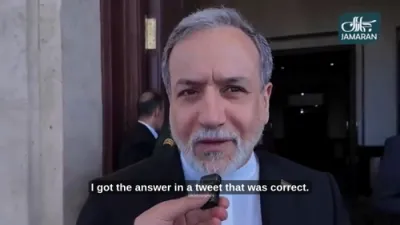
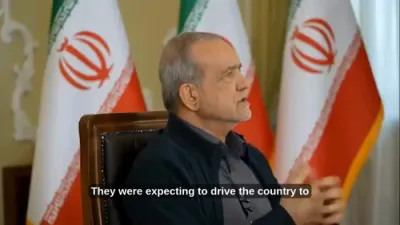
Iranian Foreign Minister Abbas Araghchi has sharply rejected President Donald Trump’s newly announced “Economic D-Day” campaign against Tehran, portraying the U.S. strategy as another version of the pressure tactics Iran has faced for years. Speaking during a ceremony reaffirming allegiance to the ideals of Islamic Republic founder Ayatollah Ruhollah Khomeini, Araghchi argued that Washington was simply returning to familiar economic and political pressure after previous threats of military action. His message was unmistakable: Tehran does not believe another sanctions campaign will force Iran to surrender.
Araghchi characterized the latest U.S. initiative as repetitive and accused Washington of relying on what he described as the same old bullying tactics. He argued that Iran has already experienced severe sanctions and other forms of pressure and has learned how to confront them. The Iranian foreign minister also suggested that the return to economic measures after repeated military threats demonstrated what he portrayed as a lack of effective options for dealing with Tehran.
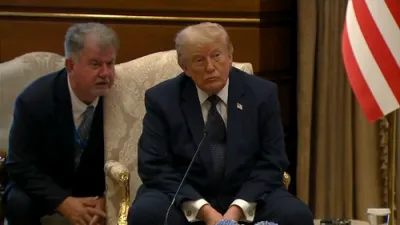
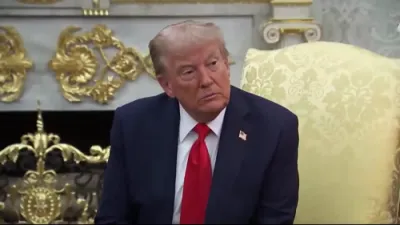
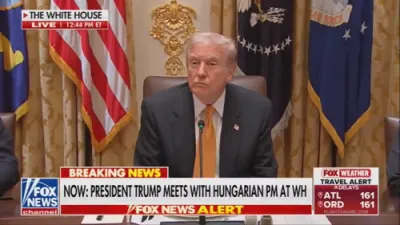
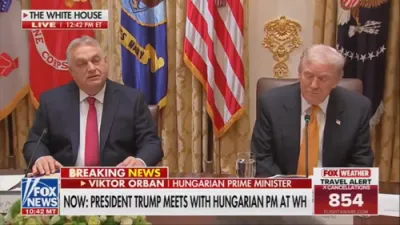
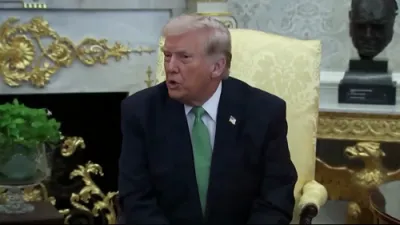
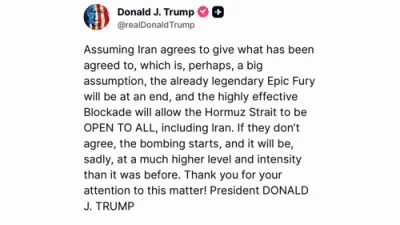
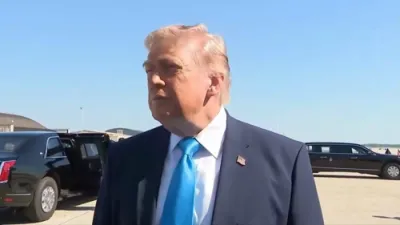
The comments came after Trump announced plans for what he called a “most crushing economic operation” against Iran, warning countries and entities providing Tehran with an economic lifeline that they could face serious consequences. Trump has presented the campaign as a major escalation of economic pressure designed to isolate Iran and restrict the financial channels supporting the Iranian government. The confrontation adds another dangerous layer to the broader U.S.-Iran standoff, with economic warfare now being placed alongside military and diplomatic pressure.
Araghchi insisted that Washington should abandon what Tehran considers repetitive pressure strategies and instead pursue direct engagement with Iran. He argued that any serious diplomatic solution must be based on respect, justice and dignity rather than threats and coercion. His remarks reinforce Tehran’s longstanding position that negotiations cannot succeed if the United States approaches Iran from a position of maximum economic pressure.
The exchange leaves a major question hanging over the confrontation: can Trump’s intensified economic campaign achieve what earlier sanctions failed to accomplish, or will Iran once again absorb the pressure without changing its fundamental position? Washington is betting that dramatically increasing the economic cost for Tehran can force a strategic shift, while Iranian officials are signaling that they intend to resist rather than capitulate. With both sides publicly refusing to back down, the next phase of the economic confrontation could prove just as consequential as the military and diplomatic battles that preceded it.