EUROPE'S SECURITY DILEMMA: Netanyahu Calls Out Countries That Condemn Israel Yet Seek Its Help
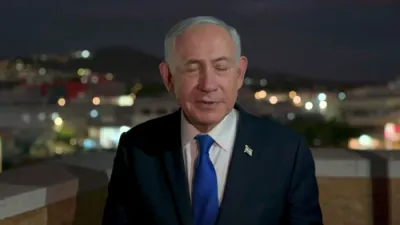
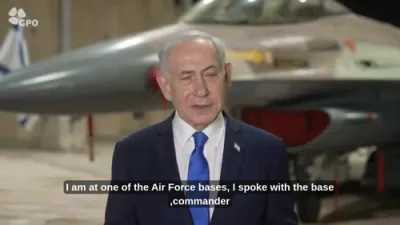
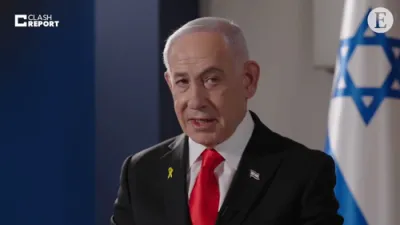
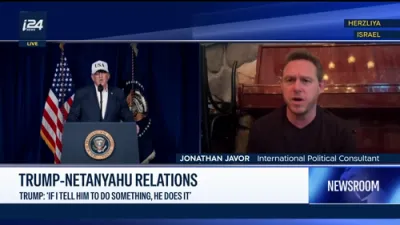
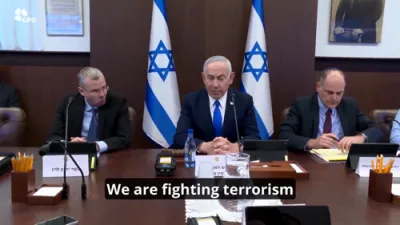
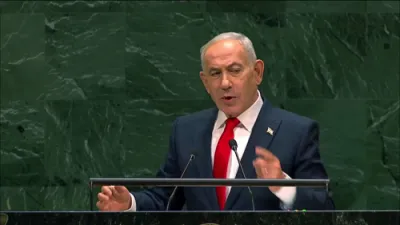
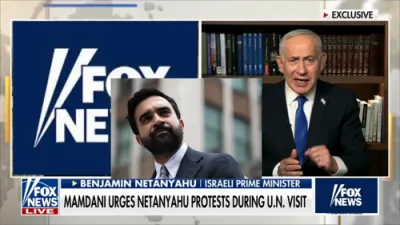
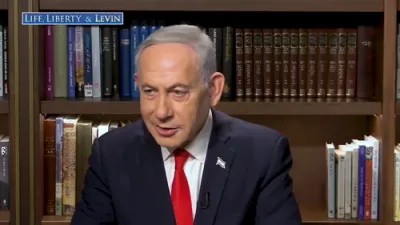
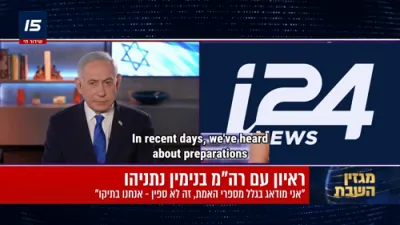
Israeli Prime Minister Benjamin Netanyahu has challenged European countries over what he portrays as a contradiction between their public criticism of Israel and their requests for Israeli assistance in combating terrorism. In his remarks, Netanyahu pointed to countries that condemn Israel at the United Nations, accuse it of losing the moral high ground and criticize its policies toward Palestinian territory, yet turn to Jerusalem when they need security cooperation. His comments raise a central question about Israel’s position in international diplomacy: should the country continue helping governments whose leaders publicly criticize its actions? The answer is yes, provided that cooperation serves Israel’s security interests and helps prevent terrorist attacks. Israel’s intelligence capabilities, operational experience and counterterrorism expertise can make it a valuable partner for countries confronting shared security threats, even amid serious political disagreements.
However, security cooperation does not have to mean accepting what Israel considers unfair or inconsistent treatment from its partners. European governments have their own security responsibilities, and their criticism of Israeli policies does not necessarily prevent them from recognizing the value of cooperation against terrorism. A practical approach would allow Israel to provide assistance when it advances mutual security interests while demanding greater transparency, respect and accountability in diplomatic relations. Netanyahu’s remarks also support the argument that European leaders should publicly acknowledge Israel’s contributions when Israeli assistance materially helps their counterterrorism efforts. Public recognition could reinforce the importance of cooperation, although the terms of sensitive intelligence and security partnerships may limit what governments can disclose. Ultimately, Israel can continue helping its partners without abandoning its diplomatic positions, making clear that effective security cooperation and honest political debate should go hand in hand.