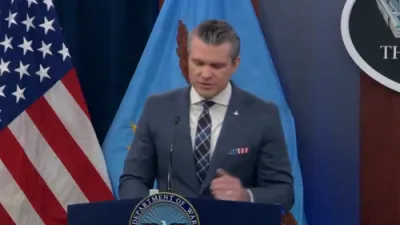
HEGSETH DEFENDS TRUMP: Secretary of War Pushes Back Against Democratic Criticism of Military Operations
Secretary of War Pete Hegseth has defended President Donald Trump’s military decisions, pushing back against Democratic criticism of the administration’s operations and praising the service members who carried them out. Hegseth said he was proud of the president’s leadership and the decisions Trump had made, describing them as courageous calls made in the interest of national security. “I couldn’t be more proud of what our president has done, the decisions that he’s made, the courageous calls that he’s made,” Hegseth declared. He also argued that critics who question the operations should recognize the military personnel responsible for executing them. In his remarks, Hegseth accused Democrats of engaging in what he characterized as longstanding partisan political games. His comments reflect the administration’s effort to defend its military record amid growing political scrutiny of the president’s use of American military power.
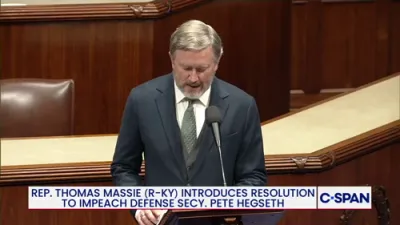
The remarks highlight an ongoing dispute over how Trump’s military decisions should be evaluated, including the strategic objectives, legal considerations and consequences of the operations. Hegseth’s defense places emphasis on presidential leadership and the courage of the troops, while Democrats and other critics have raised questions about aspects of the administration’s military actions. However, criticism of a president’s military policy does not necessarily constitute criticism of the service members carrying out orders, and the distinction remains central to the political debate. Hegseth has sought to frame the controversy as an attack on the administration’s decisions and the military personnel involved, rather than a disagreement over policy alone. The exchange underscores the growing tension between the Pentagon’s public defense of the administration and congressional oversight of military operations. As the debate continues, questions about the objectives, authorization and outcomes of individual operations remain important to assessing the administration’s decisions.