POLICY SHIFT: Secretary Rubio Tells Allies No New Iran Strikes as Sanctions Intensify
Secretary of State Marco Rubio has informed allies that the United States will not launch new military strikes on Iran for the time being. Instead, the administration is intensifying pressure through aggressive sanctions and heightened naval activity focused on the Strait of Hormuz. The message, reported by Fox News, signals a deliberate shift away from immediate kinetic options toward economic and maritime tools. Officials appear determined to maintain leverage without escalating into fresh combat operations. The decision comes amid ongoing regional tensions that continue to affect global energy routes.
Recent U.S. Navy mine-clearing operations have already produced tangible results in the southern lanes of the strait. Oil tanker traffic has increased as the waterway becomes more navigable following earlier disruptions. This improved flow has reduced Iran’s ability to exert control over one of the world’s most critical energy chokepoints. Naval assets remain visible in the area, underscoring the sustained American presence. The combination of cleared lanes and continued patrols aims to keep commercial shipping moving while limiting Tehran’s influence.
The shift in approach does not mean the United States has abandoned its broader posture toward Iran. Rubio’s communications to partners emphasize that sanctions will be hard-hitting and sustained. At the same time, diplomatic channels remain active, including talks between Iran and Oman exploring temporary shipping arrangements. These conversations reflect an effort to manage immediate risks to maritime traffic even as pressure tools are applied. The overall strategy seeks to constrain Iranian options without crossing into new military engagement.
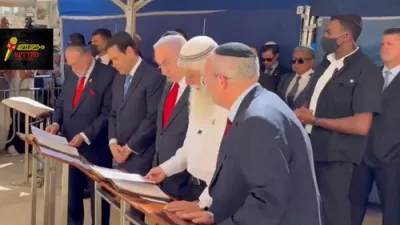
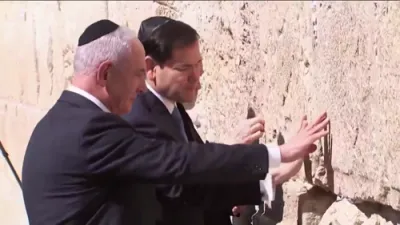
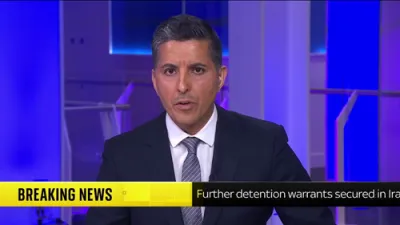
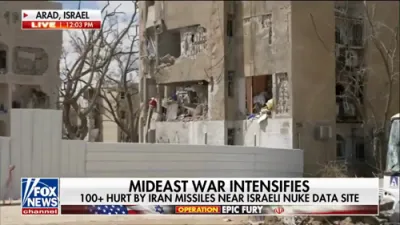
Reporting from Tel Aviv by Trey Yingst has highlighted parallel warnings issued by President Trump directed at Iran. Visuals accompanying the coverage show military assets, commercial vessels, and scenes linked to the diplomatic contacts. The juxtaposition of restraint on strikes with visible naval activity and tough economic measures creates a layered message for both allies and adversaries. Washington appears intent on demonstrating resolve through non-strike means while keeping the door open to other forms of pressure. Regional partners are watching closely to gauge the durability of this calibrated stance.
The Strait of Hormuz remains a focal point because of its central role in global oil and gas shipments. Any sustained disruption there carries immediate consequences for energy markets and supply chains worldwide. By clearing mines and facilitating greater tanker movement, U.S. forces have already altered the operational picture in the southern corridors. The decision to forgo new strikes, at least for now, allows attention to stay fixed on these maritime and economic levers. Officials calculate that sustained pressure in these domains can achieve strategic aims without the costs of further military action.
As the policy takes shape, the coming weeks will test whether intensified sanctions and naval control produce the desired effects on Iranian behavior. Allies have been briefed on the current limits regarding strikes, providing a measure of predictability in an otherwise volatile environment. The emphasis on economic tools and shipping security reflects a preference for measures that can be adjusted or maintained over time. For now, the United States is choosing to apply pressure through sanctions and presence rather than new attacks, keeping the focus on the strait and the flow of energy that passes through it.