IRAN'S LONG REACH: Houthi Strikes Slam Saudi Oil and Air Bases
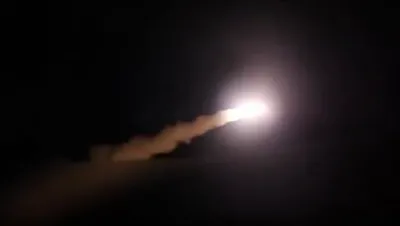
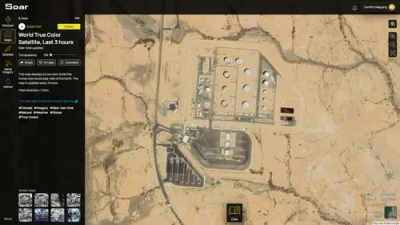
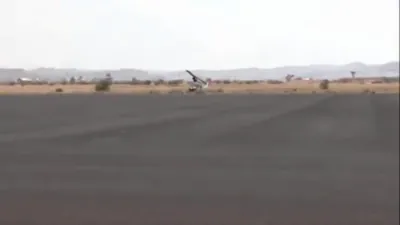
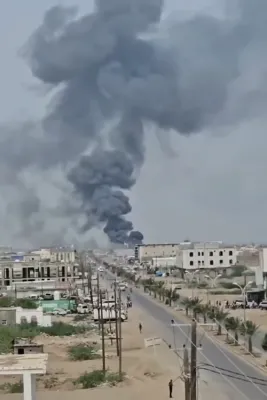
Houthi forces launched what's being described as one of their largest attacks on Saudi Arabia to date, striking four separate cities in the kingdom's south in a coordinated barrage of drones and missiles. The September 8 assault hit Abha, Khamis Mushait, Jazan, and Najran simultaneously, targeting a Saudi military airbase, oil facilities, and one of the country's largest refineries in the process. The strikes set off fires at several of the targeted sites, forcing at least some refinery and energy operations to shut down temporarily while crews worked to contain the damage. Saudi authorities confirmed that 73 people were injured across the affected areas, including women and children, though no fatalities have been reported so far. The scale and coordination of hitting four cities at once marks a notable escalation compared to the more limited, single-target strikes the Houthis have typically carried out in the past.
Behind the Houthis' growing strike capability lies a long-standing and well-documented relationship with Iran, which has supplied the group with weapons, missile and drone technology, funding, and training for years. That support has transformed the Houthis from a relatively isolated Yemeni faction into one of the most capable and active pieces of Iran's broader regional network of aligned armed groups, often referred to as the "axis of resistance." The sophistication on display in this latest attack, hitting multiple cities and infrastructure types in a single coordinated wave, reflects just how far that support has advanced the group's operational reach since the early years of Yemen's civil war. Targeting a refinery in particular carries symbolic and strategic weight, since Saudi Arabia's oil infrastructure sits at the heart of both its economy and its role in global energy markets.
This latest barrage doesn't exist in isolation; it lands squarely within a broader, rapidly escalating regional conflict involving Iran, the United States, and multiple Iran-aligned groups across the Middle East. In the days surrounding this attack, US forces destroyed several Iranian oil tankers in response to IRGC missile attempts on American warships, while Iran retaliated with strikes on a US-linked air base in Jordan. Yemen's own internal conflict has flared up again as well, with government forces launching counteroffensives against Houthi positions in Marib, Taiz, and other provinces around the same period. Seen against that backdrop, this Houthi strike on Saudi Arabia looks less like an isolated provocation and more like one flashpoint within a much larger web of tit-for-tat exchanges currently playing out across the region.
The economic stakes tied to attacks like this one are considerable, particularly given Saudi Arabia's central role in global oil supply. Strikes on refineries and energy infrastructure carry the potential to disrupt production and rattle markets well beyond the kingdom's borders, especially at a moment when oil prices have already been climbing toward the $100-a-barrel mark amid the broader regional turmoil. Riyadh has previously signaled that it won't hesitate to respond forcefully to further Houthi aggression, even as it keeps the door open to diplomatic solutions where possible. With Iran's support continuing to fuel the Houthis' capabilities and regional tensions showing no clear sign of easing, this attack is likely to be remembered as a significant marker in an already volatile and rapidly shifting conflict landscape.