"THE FINAL MOVE": Bessent Says Iran's 47-Year Regime Is Out of Time
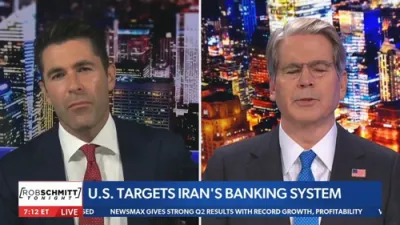
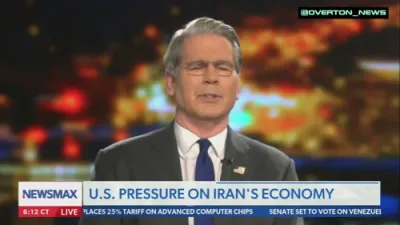
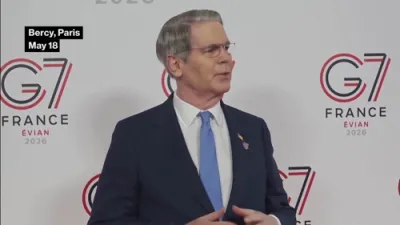
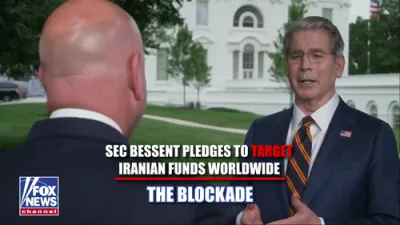
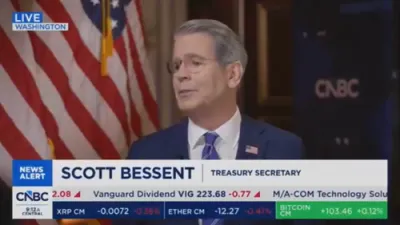
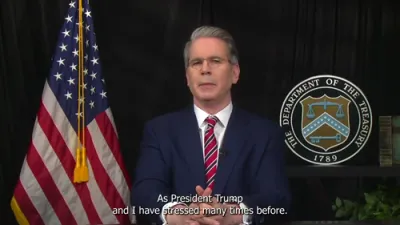
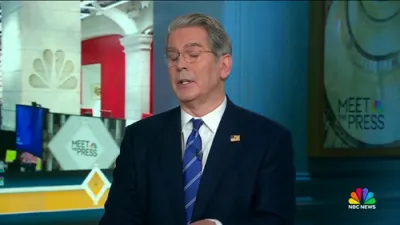
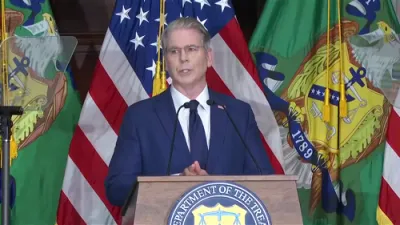
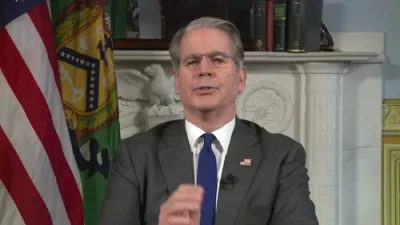
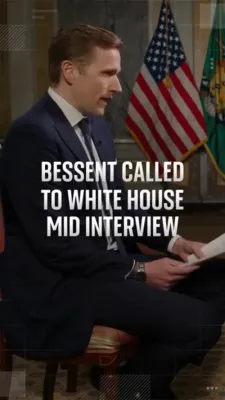
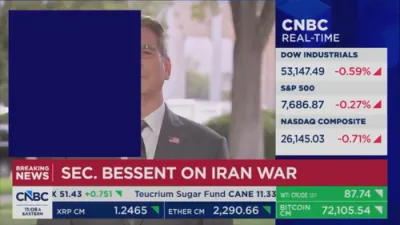
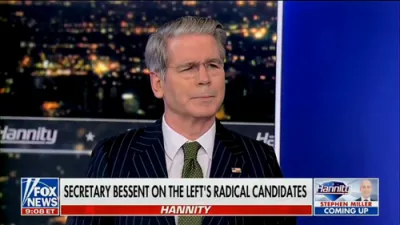
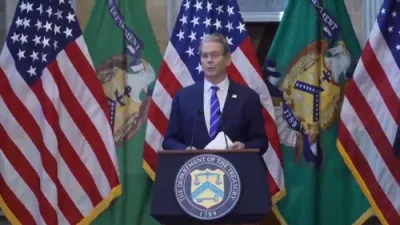
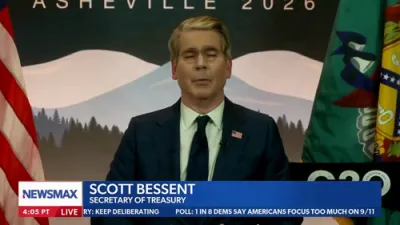
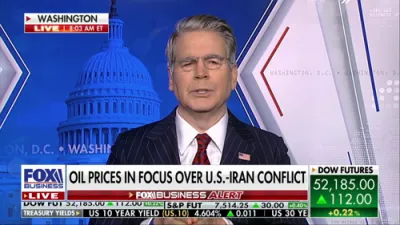
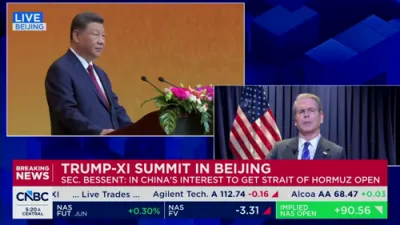
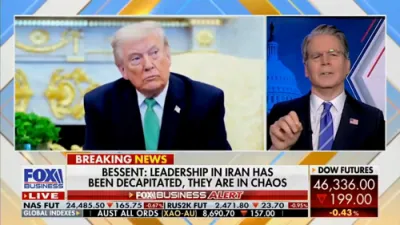
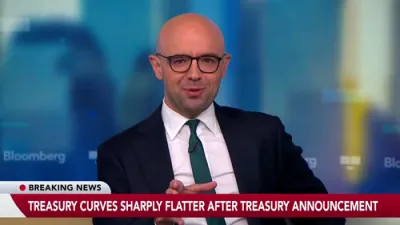
Treasury Secretary Scott Bessent delivered some of his most pointed remarks yet on the administration's sweeping sanctions campaign against Iran, framing the current effort as nothing less than the endgame for a government that has held power for nearly half a century. "We know who is helping the Iranians, they know who they are, and it is going to stop," Bessent said, adding that this represents "the final move for this regime after 47 years," a clear reference to the Islamic Republic's establishment following the 1979 revolution. The comments reflect a campaign that has grown increasingly aggressive in both scope and tone since its formal launch in late August, with Bessent positioning the sanctions push not as one tool among many, but as the decisive blow meant to bring Tehran's leadership to its breaking point.
The operation Bessent is referring to, dubbed Operation Economic Outcast, represents one of the most expansive sanctions campaigns the Treasury Department has assembled against Iran to date. Rather than focusing narrowly on oil exports as previous rounds of sanctions have done, the campaign targets five distinct sectors simultaneously: digital assets, technology, gold, aviation, and shipping, all of which Iran has reportedly relied on to generate revenue and circumvent existing restrictions. As part of the rollout, the Treasury Department sanctioned close to sixty entities, individuals, and vessels spanning multiple countries, including networks allegedly involved in illicit procurement of nuclear and missile technology, cyber operations, and oil smuggling. Officials have described the goal in stark terms: to sever every economic lifeline sustaining the Iranian government until the country stands entirely alone on the world stage.
What sets this phase of the campaign apart is its explicit targeting of third-party facilitators, companies and financial networks in countries like China, Russia, and the United Arab Emirates that continue doing business with Iran despite existing restrictions. Bessent's warning that "we know who is helping" is a direct message to those intermediaries, signaling that Washington intends to expand secondary sanctions aggressively enough to make continued cooperation with Tehran carry real financial risk. He has separately said the administration expects to roll out new secondary sanctions on a near-weekly basis moving forward, and has pushed back on critics who argue the effort will fail without directly targeting major Chinese firms, noting that a naval blockade has already sharply reduced the flow of Iranian oil available for export in the first place.
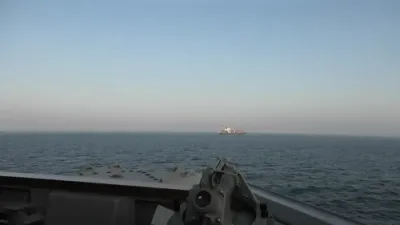
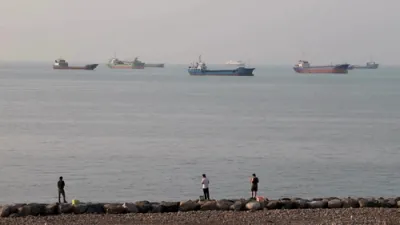
Iranian officials have publicly downplayed the threat, with parliamentary speaker Mohammad Bagher Ghalibaf arguing that the U.S. lacks the economic standing to further restrict its relationships with other nations and insisting that Iran's trading partners have signaled they don't take the pressure seriously. Still, the scale and coordination behind this latest push, paired with the ongoing naval blockade restricting oil shipments through the Strait of Hormuz, represents what Bessent has repeatedly called a "one-two punch" designed to work in tandem with military pressure rather than replace it. Whether the campaign proves to be the decisive moment Bessent describes remains to be seen, but the administration has made clear it intends to treat economic isolation not as a supporting measure, but as the primary mechanism for forcing change in Tehran going forward.