CRAZY REGIME: Trump Says Iran Would Have Used a Nuclear Weapon If Acquired
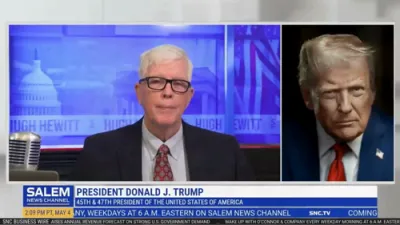
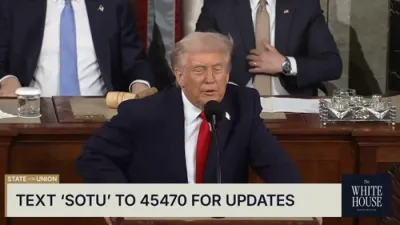
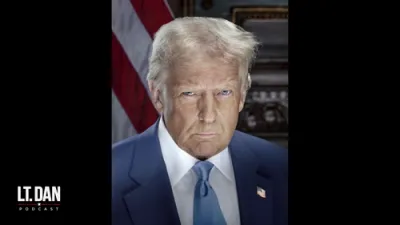
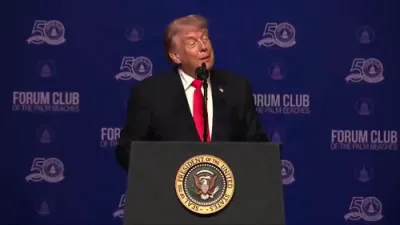
President Trump stated in a recent Lt. Dan Podcast interview that American actions prevented Iran from obtaining a nuclear weapon. He asserted that without those steps, Iran would currently possess such a weapon. Trump went further by claiming that Iranian leadership would have used the bomb because, in his words, they are crazy. The comments form part of his broader argument that decisive measures kept a nuclear-armed Iran from emerging as a direct threat. He presented the outcome as a clear success in protecting both Israel and the wider Middle East.
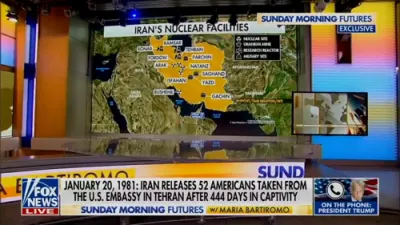
Trump specifically credited two major decisions for the result. The first was the termination of the Obama-era JCPOA nuclear deal, which he has long criticized as inadequate. The second was a B-2 bomber strike on Iranian nuclear sites, an operation he referred to as Midnight Hammer. According to the president, the strike set Iran’s nuclear program back by years. He described these combined actions as essential to stopping the regime from crossing the nuclear threshold. The podcast remarks align with statements he has repeated throughout 2025 and 2026 during periods of heightened US-Iran military tension.
In the interview, Trump framed the prevention of an Iranian nuclear weapon as a matter of urgent national and regional security. He argued that a nuclear-armed Iran would not have exercised restraint and would instead have chosen to use the weapon. By linking the regime’s character to the likelihood of use, he sought to underscore the stakes involved. The president positioned the earlier policy choices as having avoided a far more dangerous reality. His comments leave little ambiguity about his belief that the alternative would have been catastrophic.
The reference to Operation Midnight Hammer highlights the military dimension of the strategy Trump defends. He presented the B-2 strikes as a targeted effort to damage key nuclear facilities and delay progress. Paired with the exit from the previous nuclear agreement, the operation forms the core of his claim that Iran was denied a workable path to the bomb. Trump has returned to this narrative in multiple briefings, consistently portraying the steps as necessary and effective. The podcast appearance offered another platform to restate that case directly.
Overall, the president’s remarks cast the US approach as one that successfully interrupted Iran’s nuclear ambitions. He maintains that the combination of diplomatic withdrawal and military action delivered a multi-year setback to the program. In his view, those measures prevented a scenario in which a nuclear weapon would already be in Iranian hands and potentially used. The statement reinforces his long-standing position that strength and decisive intervention were required to keep the threat from materializing. For Trump, the current absence of an Iranian nuclear weapon stands as proof that the chosen path was the correct one.