DRONE STRIKE FALLOUT: Saudi Scrambles To Patch Oil Artery
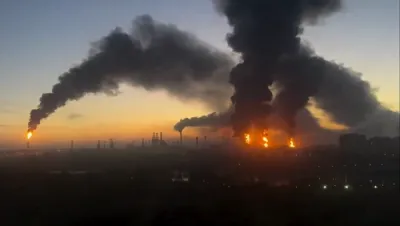
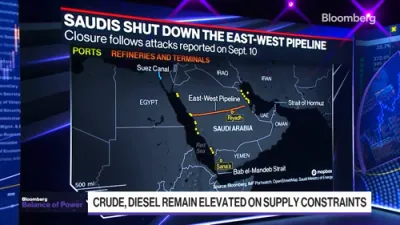
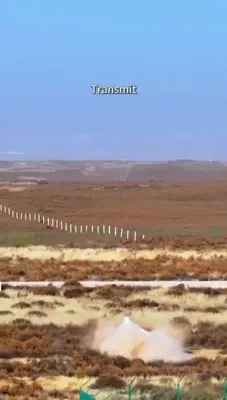
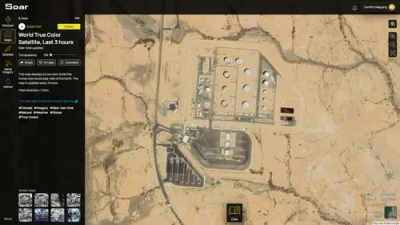
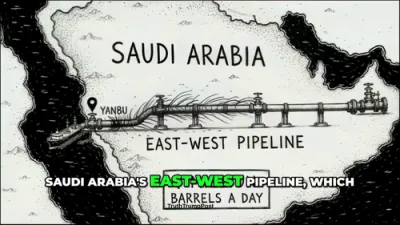
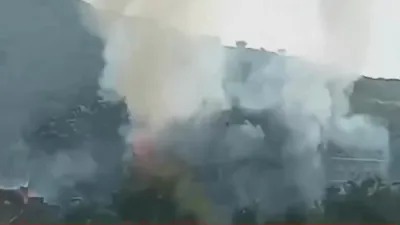
Saudi Arabia is scrambling to bring its critical East-West oil pipeline back online, aiming to restore roughly half its capacity within days after drone strikes forced a shutdown last week, according to a person familiar with the matter cited by Bloomberg. State-run Aramco is racing to build a bypass around the damaged stretch of the 1,200-kilometer pipeline, with full restoration now targeted in about six weeks. Satellite images captured on September 13 reveal extensive fire damage and blackened ground around one of the pipeline's key pumping stations, underscoring the scale of the destruction. Before the attack, the line was moving an estimated 4 to 5 million barrels of crude per day, roughly 4 to 5 percent of global oil supply, from Saudi Arabia's Gulf coast fields to Red Sea export terminals at Yanbu, a critical workaround for reaching international markets.
The pipeline's importance has only grown since the Strait of Hormuz became largely unusable following the U.S.-Israeli military campaign against Iran earlier this year, leaving Yanbu as one of Saudi Arabia's few remaining reliable gateways to global oil buyers. Riyadh has pinned the attack on drones launched by Iranian-backed militias operating out of Iraq, adding another flashpoint to an already volatile regional picture that includes Houthi forces threatening Saudi oil shipments in the Red Sea. Brent crude was trading near $105 a barrel this week as markets weighed the disruption, with Saudi Arabia simultaneously ramping up alternative crude sales routed away from the Strait of Hormuz to help soften the blow. With Aramco and Saudi officials still withholding a formal damage assessment or repair schedule, the six-week timeline being floated remains an informal estimate rather than a confirmed target, leaving global energy markets watching closely for any sign of delay.