בערג אין האוואי פארדעקט פון א היסטארישע שניי
גאלערי
ווידעאס
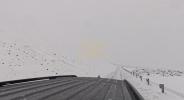
Hawaii’s Mauna Kea was blanketed in white after the first snowfall of 2026, as a powerful storm system known as a Kona Low delivered winter conditions to the highest elevations of the Big Island. Snow coated roadways and the summit of the dormant volcano, creating rare and hazardous conditions typically unseen in the tropical state.
The Kona Low dropped an estimated eight to ten inches of snow across Mauna Kea’s summit, prompting Winter Storm Warnings for the Big Island summits through midnight Wednesday. Footage captured earlier in the week shows snow-covered roads and reduced visibility, leading officials to warn against travel in the area due to icy and dangerous driving conditions.
The world’s largest active volcano also showed visible snow accumulation at its highest elevations, underscoring the intensity of the storm. While snowfall was confined to the summits, the broader impacts of the Kona Low were felt statewide, with days of heavy rain affecting lower elevations across Hawaii.
The southeast- and south-facing mountain slopes of the Big Island and Maui experienced the heaviest rainfall, driven by persistent winds pushing moisture inland. These conditions raised concerns about flooding, runoff, and localized landslides, particularly in already saturated areas.
Meteorologists indicated that the Kona Low is expected to weaken and move west of the islands by midweek, gradually easing severe weather conditions. Even so, officials continue to urge residents and visitors to remain cautious, as rapidly changing weather patterns can create dangerous situations across both high-elevation and coastal areas.
The snowfall on Mauna Kea serves as a reminder of Hawaii’s unique geography, where tropical beaches and winter weather can exist within the same state during powerful storm systems.
