אמעריקאנער מיינונגען טוישן זיך צו שטיצע פאר טראמפ'ס מאדורא איבערפאל.
גאלערי
ווידעאס
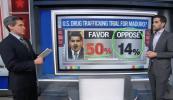
A new CNN analysis of polling data reveals a notable shift in American public opinion following the recent U.S. military operation that captured Venezuelan President Nicolás Maduro.
According to CNN lead data analyst Harry Enten, support for the United States’ military ousting of Maduro rose substantially after the operation was carried out. Before the raid, only about 21 percent of Americans polled indicated approval for military action to remove Maduro. In the wake of the operation, that figure climbed to approximately 37 percent, while opposition fell from around 47 percent to about 38 percent, effectively narrowing the gap between supporters and detractors in the margin of error highlighted by CNN. Analysts pointed out that Americans often rally behind foreign policy actions they deem successful, which helps explain the observed increase in support. :contentReference[oaicite:2]{index=2}
The CNN polling insight aligns with a broader, complex picture of public opinion in early January 2026. Other surveys show Americans are **divided on the U.S. military action in Venezuela**, with roughly one‑third to four‑in‑ten approving and similar numbers opposed. Many respondents express concern about U.S. involvement overseas, even if they see Maduro’s capture as a symbolic blow against an authoritarian regime. :contentReference[oaicite:3]{index=3}
Partisan differences remain pronounced: Republican voters tend to back the military action by large margins, while Democratic and independent voters are more skeptical. Separately, when asked about related issues such as prosecuting Maduro in U.S. courts, some polls indicate a plurality of Americans support legal action over military occupation or U.S. governance. :contentReference[oaicite:4]{index=4}
Taken together, the data suggest that while the public remains **divided overall**, there has been a clear **post‑operation uptick in support tied to perceptions of success**, a dynamic that could influence political narratives surrounding the administration’s foreign policy direction.
