טראמפ קאנפירמד אז 700 אייס אגענטן פארלאזן מיניאפעליס
גאלערי
ווידעאס
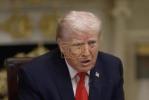
President Donald Trump confirmed that he ordered the withdrawal of 700 federal immigration officers from Minneapolis — a move he said was designed to pressure Minnesota authorities to release federal prisoners, including individuals accused of serious crimes. In a February 2026 NBC interview, Trump acknowledged that the decision “did come from me,” but emphasized it was tied to a broader bargaining position with local leaders rather than a unilateral desire to reduce enforcement presence.
Asked directly whether the drawdown of officers stemmed from his own decision, Trump replied, “Yes it did, but it didn’t come from me because I just wanted to do it.” He went on to say the administration was in a waiting stance “for them to release prisoners, give us the murderers that they’re holding, and all of the bad people,” framing the move as part of a strategy to ensure that state and local officials cooperate in handing over inmates with serious criminal allegations so federal authorities could take custody of them.
The reduction follows the announcement by Trump’s border czar, Tom Homan, that roughly 700 of the approximately 3,000 federal immigration enforcement officers deployed in Minnesota would be removed immediately, leaving about 2,000 agents still in the state. Homan said part of the drawdown was enabled by what he described as increased cooperation from state and local authorities with federal immigration efforts.
The decision comes amid heightened tensions in Minneapolis and St. Paul over ICE and Customs and Border Protection operations known as Operation Metro Surge, which had drawn widespread protests following the fatal shootings of U.S. citizens during enforcement activities. Thousands of demonstrations and national walkouts have taken place as critics have accused federal agents of overly aggressive tactics and violations of civil liberties.
Trump framed the move as a tactical adjustment rather than retreat, stressing that the administration would continue its broader enforcement initiatives across the country. He repeatedly characterized the individuals the federal government seeks to take into custody as “murderers” and “bad people,” reinforcing the Trump administration’s law‑and‑order narrative.
Supporters of the policy argue that strong federal enforcement is necessary to target dangerous criminals and uphold public safety, particularly in jurisdictions labeled as sanctuary cities. Critics, however, contend that the deployment and subsequent partial withdrawal reflect political maneuvering and underscore ongoing conflict between federal authority and local governance over immigration enforcement.
