טעסלא קארס אין סאן פראנציסקא פארן ווייטער טראץ די בלעקאוט
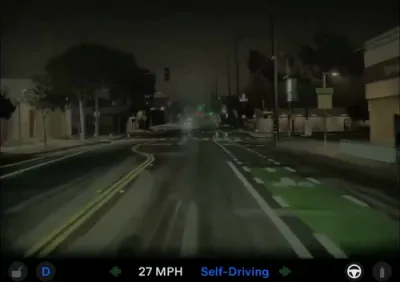
Tesla’s Full Self-Driving (FSD) system demonstrated notable adaptability during a San Francisco blackout that left 130,000 customers without power, highlighting the benefits of training autonomous systems on billions of real-world miles, including rare events like power outages.
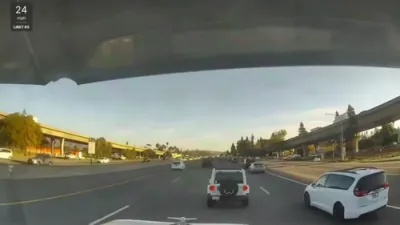
A substation fire caused widespread disruptions, halting BART and Muni service and leaving traffic lights dark during peak holiday shopping. Waymo’s driverless vehicles reportedly stalled for hours at intersections and blocked turns until service was paused for safety. In contrast, Tesla FSD navigated the unlit streets, identifying and responding to obstacles such as floating debris and erratic traffic behavior, exhibiting behavior described by observers as “human-like adaptability.”
The outage lasted until Sunday, serving as a real-world stress test for autonomous vehicle systems. Tesla’s ability to handle unexpected scenarios underscores the importance of extensive real-world data in training FSD software and demonstrates its ongoing development toward more robust, reliable, and safe autonomous operation under diverse conditions.
Analysts note that such incidents highlight both the potential and limitations of current self-driving technologies, emphasizing that while Tesla’s system handled the blackout effectively, human oversight remains a critical component of Level 2 autonomy.