טראמפ גיט אן אנווייזונג צו א וואוינונג סטראטעגיע צו האלטן אמעריקאנער הויז אייגנטימער רייך.
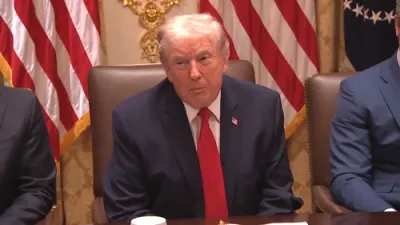
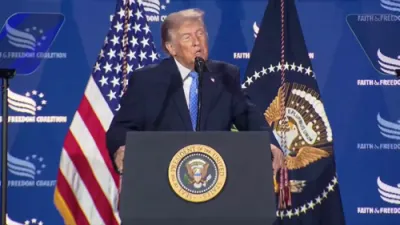
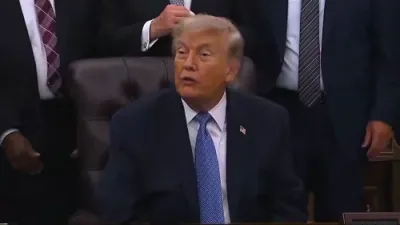
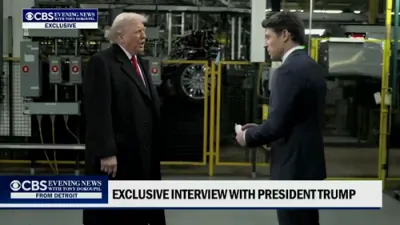
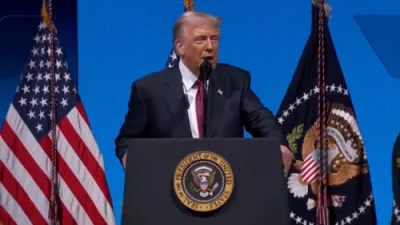
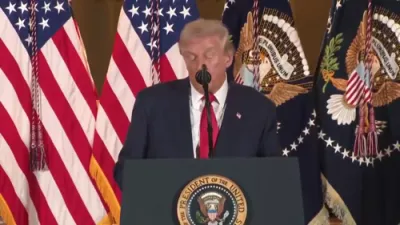
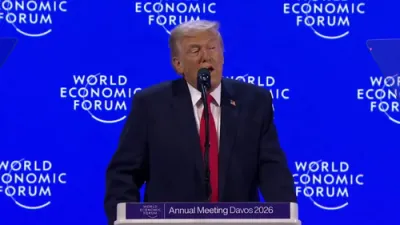
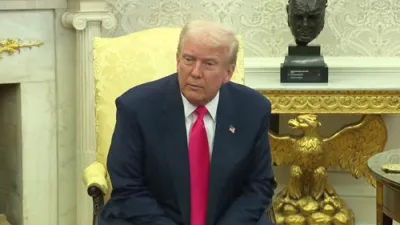
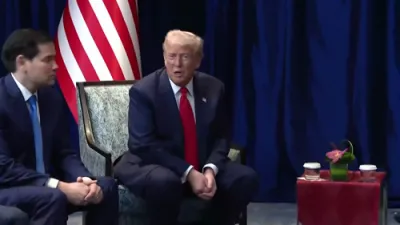
President Donald Trump sparked immediate national debate after stating that he wants to “drive housing prices up for people who own their homes,” framing rising home values as a deliberate strategy to protect the financial security of millions of American families. Speaking candidly, the president emphasized that homeowners represent the backbone of the middle class and that preserving their wealth is a priority of his economic vision.
“For people that own their homes, we are going to keep them wealthy,” President Trump said, underscoring his belief that homeownership remains one of the most reliable paths to long-term financial stability in the United States. He further clarified that his approach does not ignore prospective buyers, arguing that lower interest rates would help balance affordability for those entering the market while maintaining strong asset values for existing owners.
Supporters view the statement as a straightforward acknowledgment of economic reality. For decades, rising home values have functioned as a primary store of wealth for working and middle-class Americans, particularly retirees and families who rely on home equity as financial security. From this perspective, Trump’s remarks reflect a broader commitment to protecting homeowners from policies that could rapidly erode their net worth through market shocks or government intervention.
The comments drew sharp backlash online, with critics accusing the president of favoring asset holders over renters and younger Americans. Opponents argued that sustained price increases risk widening the gap between those who already own property and those struggling to afford their first home, reviving long-running debates over housing supply, affordability, and generational equity.
President Trump’s defenders countered that the criticism ignores his broader economic framework, which pairs asset protection with growth-oriented policies designed to expand opportunity. They argue that suppressing home values would not solve affordability challenges, but instead punish families who played by the rules, invested responsibly, and built equity over time.
The controversy highlights a fundamental divide in the national housing debate: whether housing should primarily function as a protected personal investment or be reshaped through aggressive intervention to prioritize price reductions. As the 2026 political landscape takes shape, President Trump’s remarks signal a clear stance—one that places homeowner stability, wealth preservation, and market confidence at the center of his economic message.