טאקער קארלסאן מאכט אוועק א דעבאטע איבער איראן אדער עזה
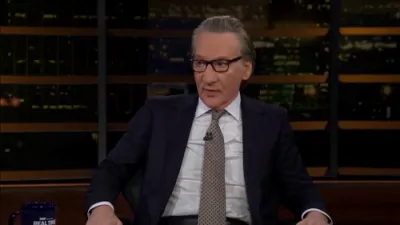
Media commentator Tucker Carlson ignited widespread debate following remarks made on his January 29, 2026 broadcast, where he sharply dismissed ongoing discussions surrounding Gaza and Iran as misplaced and out of touch with the struggles facing Americans at home. Carlson argued that anyone continuing to center political discourse on foreign conflicts while the United States confronts severe economic pressures and an ongoing border crisis should be challenged for failing to prioritize the American people.
During the segment, Carlson characterized the focus on Gaza and Iran as “nonsense,” asserting that such conversations divert attention from issues directly impacting American families, including inflation, public safety, and border enforcement. His comments reflected a broader populist sentiment that domestic stability and national cohesion must come before prolonged engagement in overseas disputes, particularly at a time when many voters feel economically strained and politically unheard.
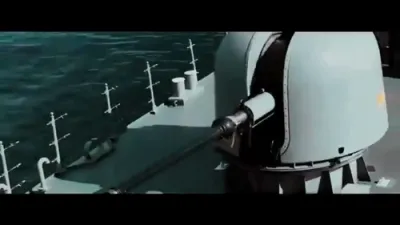
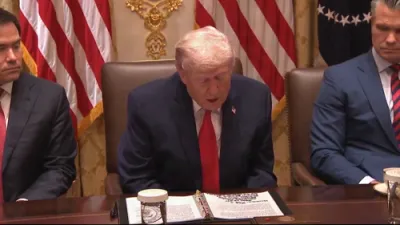
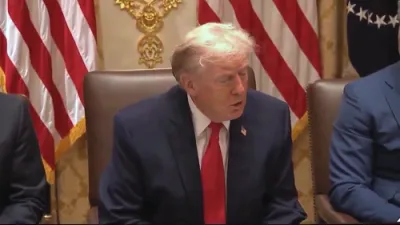
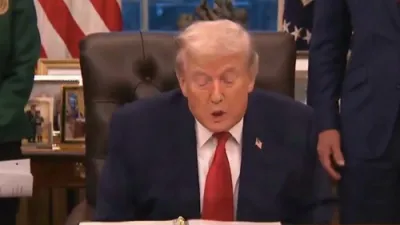
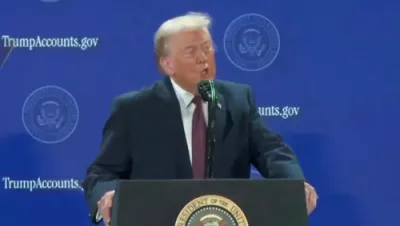
The timing of Carlson’s remarks drew immediate attention, as they coincided with President Donald Trump’s same-day warning to Iran regarding nuclear negotiations and reports of a U.S. armada deployment intended to reinforce deterrence. This overlap fueled speculation among critics that Carlson’s comments indirectly challenged the administration’s foreign policy posture, even as he avoided naming President Trump directly. Supporters countered that Carlson was not opposing decisive leadership abroad, but rather cautioning against allowing foreign crises to dominate the national conversation at the expense of urgent domestic priorities.
The controversy underscores ongoing tensions within conservative media and political circles over how best to balance America First principles with strategic global engagement. While President Trump has consistently emphasized strong deterrence, unwavering support for key allies, and decisive action against hostile regimes, Carlson’s remarks highlight a parallel argument that messaging and media focus should remain centered on restoring economic strength, border security, and public trust at home.
As the political landscape continues to evolve ahead of critical elections, Carlson’s statement has become a flashpoint for a broader debate about patriotism, priorities, and the proper scope of American political discourse. Whether viewed as a necessary refocusing on domestic realities or an oversimplification of complex global challenges, the comments have ensured that the conversation over America’s role abroad versus its responsibilities at home remains firmly in the spotlight.