טראמפ האט ארויסגעברענגט פאלנדע גאז פרייזן, ציטירנדיג אייאווע ביי $1.85 פער גאלאן.
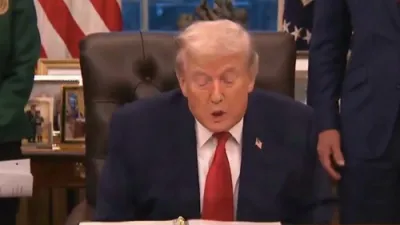
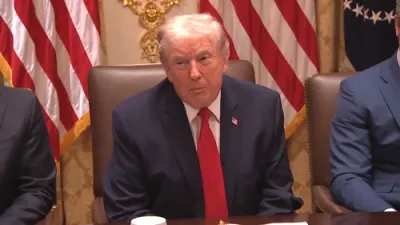
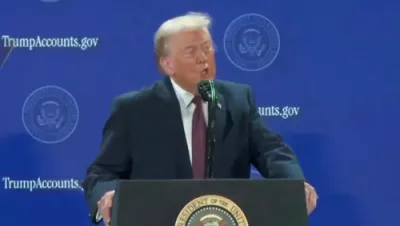
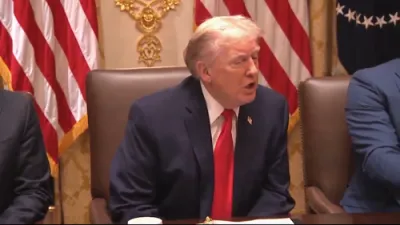
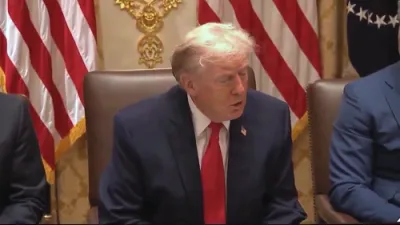
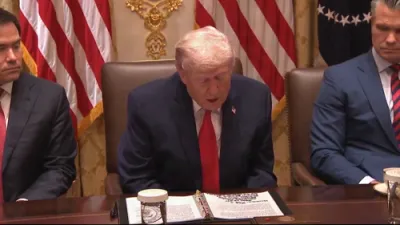
President Donald Trump touted falling gasoline prices during a recent statement, claiming that in Iowa, motorists were paying as little as $1.85 per gallon. “Gasoline has plunged from over $4 a gallon depending on where you are… I was in Iowa, and they had $1.85 gasoline,” Trump said, adding, “When energy goes down, everything else goes down,” linking lower fuel costs to broader economic relief for American families.
While Trump’s remarks highlight the trend of decreasing energy prices nationwide, AAA reports that the state average in Iowa on January 29, 2026, was closer to $2.55 per gallon—a discrepancy that underscores regional variation in fuel pricing. Nationally, gasoline prices have declined from around $3.10 per gallon at Trump’s 2025 inauguration, reflecting both increased domestic supply and moderating global demand.
Trump attributed the decline in energy costs to record U.S. oil production, which the Energy Information Administration (EIA) confirms will average nearly 13 million barrels per day in 2026. Despite a slight decrease in rig counts to 543 due to softening prices, the overall output remains at historically high levels, helping to stabilize domestic fuel markets and provide downward pressure on prices at the pump.
Supporters of Trump’s energy policies argue that the combination of robust production, streamlined permitting, and deregulation has directly benefited consumers, particularly in states like Iowa and other key agricultural and industrial regions. Critics, however, caution that gas prices remain sensitive to global market dynamics and that individual state pricing can differ substantially from national averages.
The president framed the energy discussion as part of a broader economic narrative, emphasizing that affordable energy reduces costs across industries, from transportation to manufacturing, and ultimately strengthens household budgets. Whether or not Iowa motorists paid exactly $1.85 per gallon, the broader point underscores the administration’s message that domestic energy independence can have immediate economic benefits.