פרעזידענט טראמפ לויבט די געדאנק פון באדי קאמעראס אין רעאקציע צו מינעאפאליס קאנטראווערסיע.
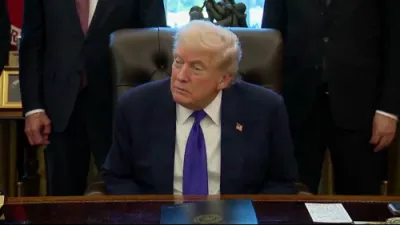
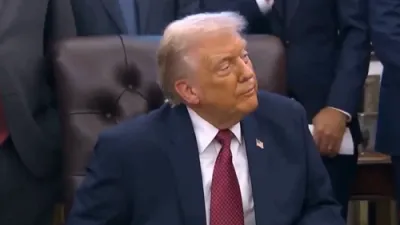
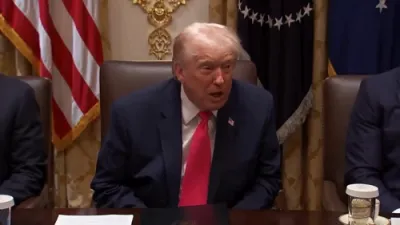
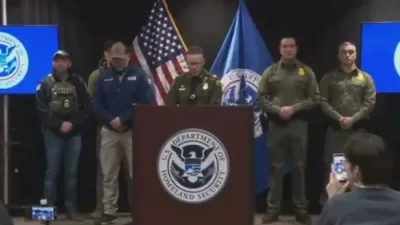
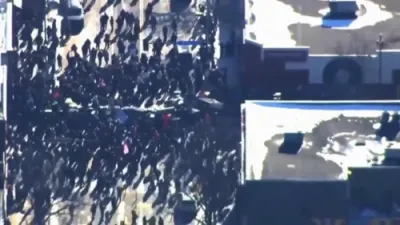
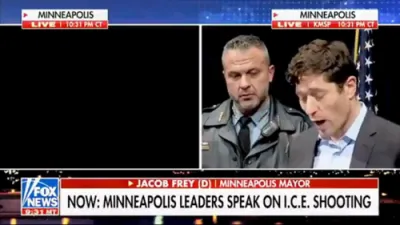
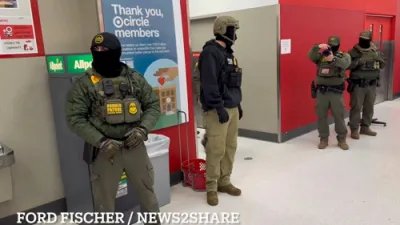
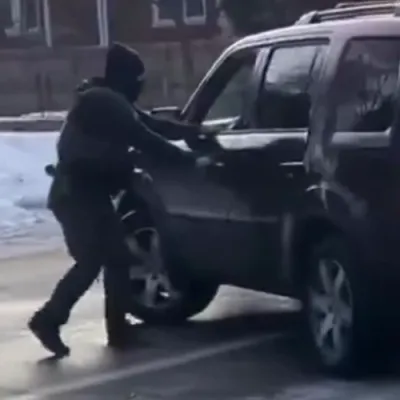
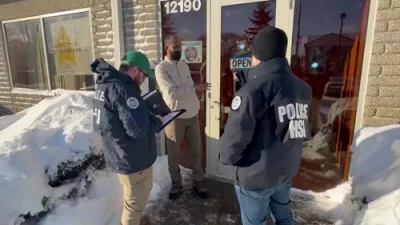
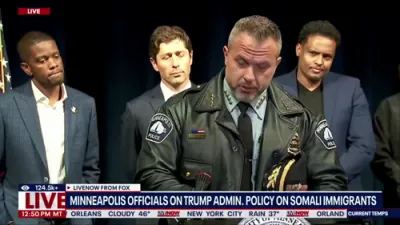
President Donald Trump voiced public support for equipping federal agents with body-worn cameras, arguing that they “generally tend to be good for law enforcement because people can’t lie about what’s happening.” Trump’s remarks came amid heightened scrutiny of federal immigration enforcement operations in Minneapolis, where recent clashes between federal agents and protesters have sparked controversy after two U.S. citizens were fatally shot during enforcement actions. The Department of Homeland Security, led by Secretary Kristi Noem, announced an immediate deployment of body cameras to every Homeland Security officer in the Minneapolis field, including Immigration and Customs Enforcement agents, with plans to expand the program nationwide as funding allows.
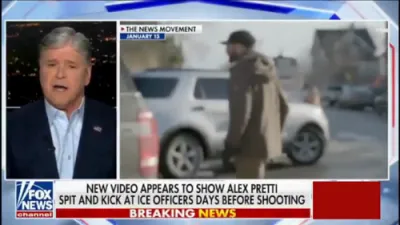
The shift reflects an effort to enhance transparency and accountability in the wake of intense criticism over the conduct of federal agents, including questions about consistency in camera use during high-profile operations. Minneapolis has been the focal point of nationwide debate after the deaths of people such as ICU nurse Alex Pretti and Renee Good, both of which drew widespread protests and calls for greater oversight of federal enforcement tactics. By backing the body camera rollout, Trump aligned himself with the administration’s move to address concerns about public mistrust while maintaining that fair documentation helps protect law enforcement from unfounded accusations.
While Trump framed body cameras as a tool that reduces misinformation and supports accurate record-keeping, the policy’s expansion comes at a politically sensitive moment when immigration enforcement remains at the center of national debate. Supporters of the Democratic push for body cameras tied such mandates to broader reforms, including standardized use-of-force policies and independent review of federal enforcement actions. Trump’s endorsement of the cameras underscores a pragmatic response to these pressures while reinforcing his administration’s commitment to strong enforcement, even as critics argue existing tactics and deployments in cities like Minneapolis have fueled community tensions.
As body cameras begin to appear on federal agents, the broader question of how immigration enforcement is carried out continues to animate policymakers and the public. Trump’s comments emphasize the value his administration places on clear, unambiguous evidence of official actions in the field, asserting that better documentation protects both officers and the public by removing ambiguity about what occurs during tense encounters. This stance positions body cameras not only as a transparency tool but as part of the administration’s wider narrative of robust enforcement paired with accountability.