טים וואלץ איבער די פראטעסטן
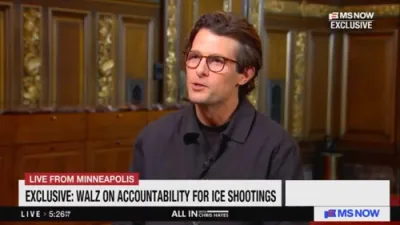
Minnesota Governor Tim Walz made a striking admission during a January 2026 speech when he acknowledged that fraud had occurred within his state’s generous welfare system, saying, “Yes, we are the most generous state in the country... did we have some people steal from us? Yes!” His defense of Minnesota’s welfare generosity comes amid intense controversy over the Feeding Our Future scandal, in which more than $250 million in federal child nutrition funds intended to feed vulnerable children during the pandemic was defrauded by fraudulent actors operating within the state’s programs. :contentReference[oaicite:0]{index=0}
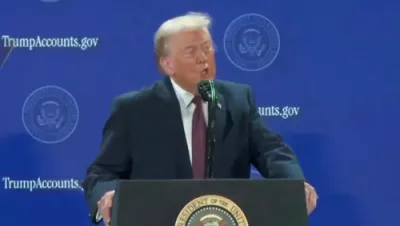
Walz’s remarks came as he responded to mounting criticism from national leaders — including from President Trump — and lawmakers who argue that the scale of the fraud reflects systemic oversight failures. Republicans have repeatedly seized on the Feeding Our Future case to question the governor’s management of public assistance systems and to decry what they characterize as permissive leadership that allowed exploitation of taxpayer dollars.
The Feeding Our Future scandal has become one of the most significant fraud cases in recent U.S. history. Federal prosecutors have charged dozens of individuals in connection with the scheme, which involved fabricating meal counts and claims for reimbursement under federally subsidized child nutrition programs meant to benefit low‑income families and children. Investigators believe many of these claims were fraudulent, with little or no food ever served in many of the purported program sites.
Walz’s remarks reflect his effort to balance acknowledgment of criminal behavior with a broader defense of Minnesota’s public programs. He dismissed calls to dismantle progressive assistance systems wholesale, arguing that isolated cases of fraud should not be used as justification to weaken support for families in need. However, his critics contend that failure to aggressively prevent and root out fraud amounts to a dereliction of duty, leaving taxpayers on the hook and undermining confidence in government administration.
The governor’s handling of the scandal has had real political consequences. Facing sustained pressure from opponents and scrutiny over alleged mismanagement, Walz recently announced he would not seek a third term — a decision he said was driven in part by his desire to focus on addressing the fallout from these welfare fraud controversies rather than continue his political career.
As the national conversation around government spending and accountability continues, Walz’s remarks stand as both a candid admission and a flashpoint in the broader debate over federal and state welfare policy, integrity, and enforcement. Whether his defense of Minnesota’s generosity resonates with voters or serves to fuel further criticism remains a key question in ongoing political discourse.