יאפאן צינדט אן אלארעם איבער די צוזאמענארבעט צווישן רוסלאנד און צפון קארעא
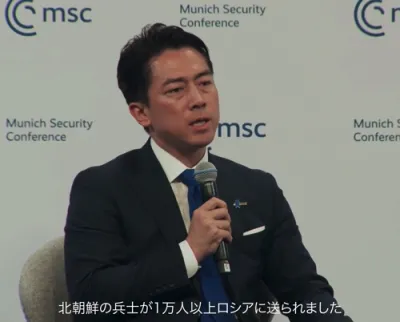
Japanese Defense Minister Shinjirō Koizumi warned at the 2026 Munich Security Conference that over 10,000 North Korean soldiers have been deployed to Russia and subsequently sent to Ukraine, where they are reportedly receiving training in advanced military techniques. Koizumi highlighted that these troops are learning new methods of warfare across multiple domains, including drone operations, artificial intelligence applications, cyber operations, and conventional combat tactics.
The minister stressed that the implications of this deployment extend beyond Europe. “When they return to North Korea, we must consider for what purpose, and against whom, those capabilities will be used,” Koizumi said, emphasizing that the conflict in Ukraine is not a distant problem for Japan or the broader Asia-Pacific region. His remarks reflect a growing concern about the transfer of battlefield experience and advanced military knowledge to North Korea, which could significantly enhance Pyongyang’s offensive capabilities.
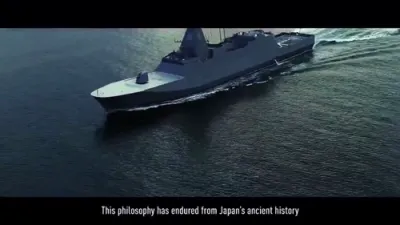
Koizumi’s statement coincides with Japan’s strategic recalibration in the face of escalating regional threats. In January 2026, the Japanese government approved a record $58 billion defense budget, aimed at countering North Korea’s ballistic missile program, strengthening deterrence against Chinese maritime activities, and addressing the risks posed by North Korea-Russia military cooperation. Analysts note that this increase represents a historic shift toward more robust conventional and cyber defense capabilities, as well as investments in intelligence and surveillance systems.
By highlighting the training of North Korean forces in Ukraine, Koizumi underscored the interconnected nature of global security threats. The exposure of troops to advanced warfare technologies abroad could accelerate the development of North Korea’s military capabilities, potentially destabilizing the East Asian security environment. Japan’s defense posture, including budgetary expansions and increased coordination with allied nations, aims to mitigate these emerging risks.
The minister’s remarks also signal Japan’s intent to actively participate in international intelligence-sharing and strategic planning to anticipate threats stemming from distant conflicts. By framing Ukraine as a matter of regional security concern, Koizumi emphasized the need for vigilance, multilateral cooperation, and investment in defense technologies capable of countering modern warfare tactics.
This statement illustrates Japan’s evolving security doctrine, which integrates lessons from global conflicts and prioritizes readiness against both conventional and asymmetric threats. Koizumi’s warning highlights that developments in Ukraine could have direct consequences for Northeast Asian stability and reinforce the importance of proactive defense measures and regional deterrence strategies.