טראמפ לויבט אויס די פארכאפונג פון מאדורא
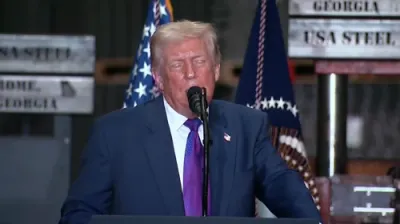
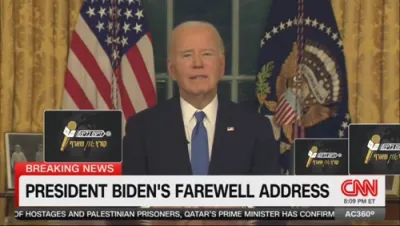
President Donald Trump sharply defended the U.S.-backed operation that led to the capture of Venezuelan strongman Nicolás Maduro, presenting the move as a decisive demonstration of American strength and a clear break from what he described as failed foreign policy precedents. Speaking at a February rally, Trump contrasted the outcome in Venezuela with the 1979 Iran hostage crisis under Jimmy Carter and the 2021 Afghanistan withdrawal under Joe Biden, arguing that both episodes projected weakness and emboldened U.S. adversaries.
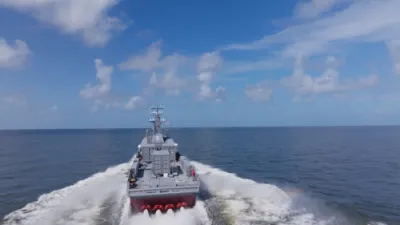
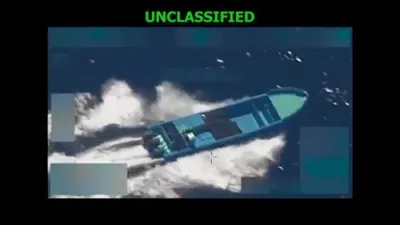
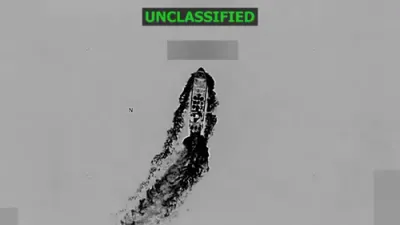
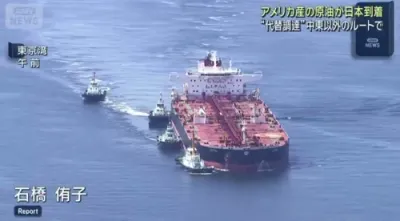
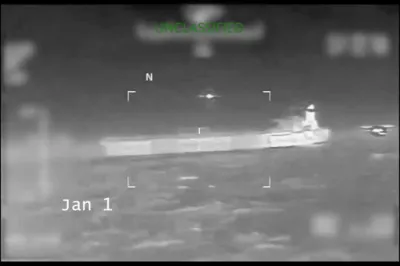
According to administration-aligned accounts, the Venezuela operation combined economic pressure, maritime enforcement, and coordination with regional partners to isolate Maduro’s regime before his removal in January. U.S. forces intensified a tanker interdiction campaign targeting sanctioned oil shipments tied to Caracas, part of a broader strategy to cut off revenue streams that had sustained the regime despite years of sanctions. The effort culminated in Maduro’s capture and the rapid reopening of Venezuela’s energy sector to international markets, a development Trump framed as a win for both Venezuelan stability and global oil supply.
Trump emphasized that the operation avoided the prolonged troop deployments and chaotic withdrawals that characterized past conflicts, portraying it instead as a targeted action designed to achieve strategic objectives without nation-building. He argued that restoring Venezuela’s oil production would help stabilize energy prices, reduce the influence of hostile actors in the Western Hemisphere, and create economic opportunities for U.S. companies participating in infrastructure rehabilitation and production modernization.
Critics have questioned the legal and financial implications of the intervention, including the potential cost to American taxpayers and the role of private energy firms in post-Maduro reconstruction. However, supporters within the administration maintain that the approach represents a model for future engagements: leveraging economic leverage, maritime dominance, and precision operations to remove authoritarian regimes while minimizing long-term military commitments.
The Venezuela outcome has also been positioned as a signal to other adversarial governments that the United States is prepared to act decisively when its strategic and economic interests are at stake. By pairing the operation with continued enforcement actions against sanctioned oil networks, the administration has sought to demonstrate sustained resolve rather than a one-time intervention.
Trump’s remarks underscore a broader narrative central to his foreign policy messaging, namely that American credibility depends on visible strength and rapid, outcome-focused operations. By invoking past crises as cautionary examples, he framed the Venezuela campaign as proof that a more assertive posture can deliver tangible geopolitical and economic results while deterring future challenges to U.S. influence.