טראמפ פארלאנגט אין די געשפרעכן אז איראן זאל אויפגעבן נוקלעארע וואפן.
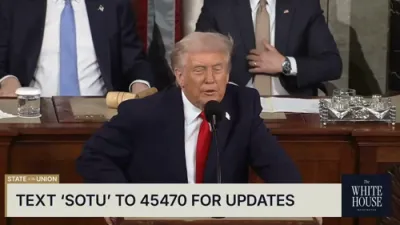
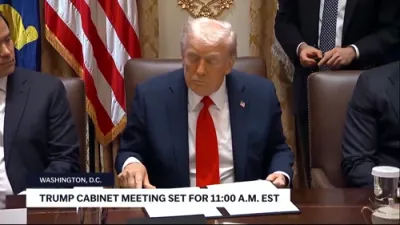
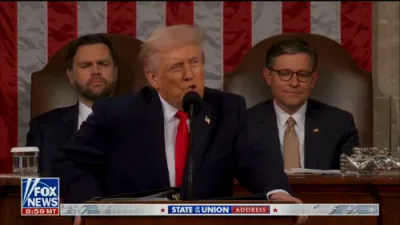
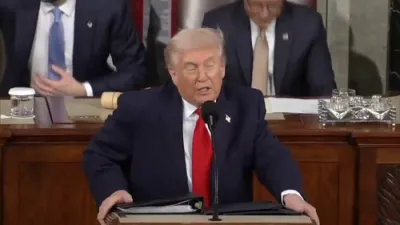
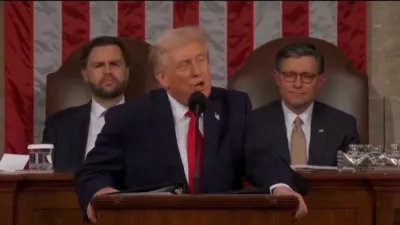
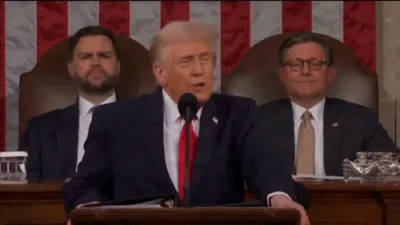
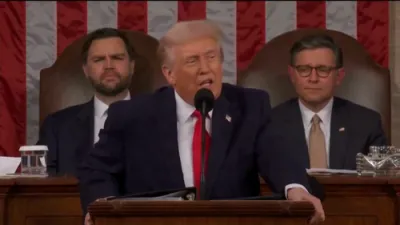
President Donald Trump intensified pressure on Iran ahead of scheduled negotiations in Geneva, declaring that any agreement must include an explicit and verifiable commitment from Tehran that it will never obtain nuclear weapons. He stated that U.S. negotiators have yet to hear what he described as the essential pledge, framing the upcoming talks as a decisive moment for determining whether diplomacy can succeed.
Trump’s remarks also highlighted the Iranian government’s response to recent protest movements, citing reports that tens of thousands of demonstrators have been killed during the 2025–2026 unrest. International observers and human rights monitors have documented large-scale crackdowns, with particularly severe violence reported during a concentrated period in January. The administration has pointed to these events as evidence of the regime’s willingness to use force internally while pursuing advanced military capabilities externally.
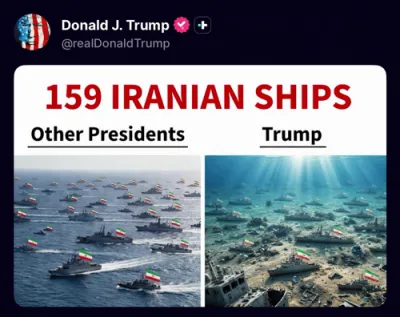
On the strategic front, Trump warned that Iran’s missile program has expanded beyond regional deterrence and now poses a direct threat to European allies and U.S. forces stationed overseas. He further asserted that Tehran is working toward longer-range delivery systems that could eventually reach the American homeland. Iranian officials have denied such intentions, maintaining that their missile development is defensive and non-negotiable, a position that has long complicated arms control discussions.
The Geneva talks are expected to focus on nuclear constraints, sanctions relief, and regional security dynamics, but the missile issue remains a central point of contention. U.S. officials argue that any durable agreement must address both nuclear enrichment and delivery systems, while Iran insists on separating the two tracks. Trump has coupled diplomatic engagement with a firm timeline, signaling that failure to secure a comprehensive commitment could lead to alternative measures, including potential military options aimed at limiting Iran’s strategic capabilities.
The administration’s approach reflects a broader dual-track strategy that combines negotiation with visible deterrence. Recent U.S. force deployments in the Middle East, alongside coordination with European and regional partners, are intended to reinforce the credibility of diplomatic demands while reducing the risk of miscalculation. Supporters of this posture argue that sustained pressure increases the likelihood of meaningful concessions, whereas critics caution that escalating rhetoric could narrow the space for compromise.
As negotiations begin, the central question remains whether Iran will provide the unequivocal assurances Washington seeks. The outcome will shape not only the future of the nuclear file but also the trajectory of regional security, the stability of global energy markets, and the broader balance between coercive pressure and diplomatic resolution in U.S. foreign policy.