איראן'ס ראקעט אטאקע דרייט איבער א קאר אין צענטראל מדינת ישראל.
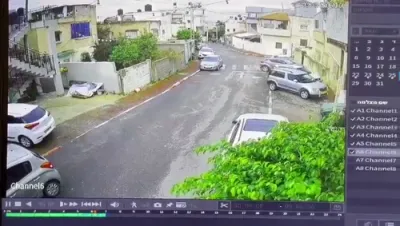
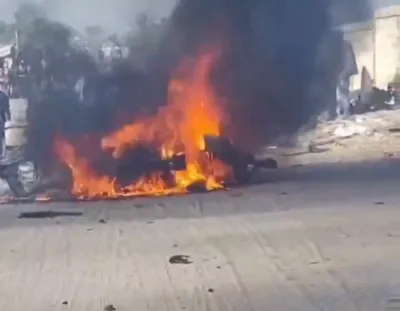
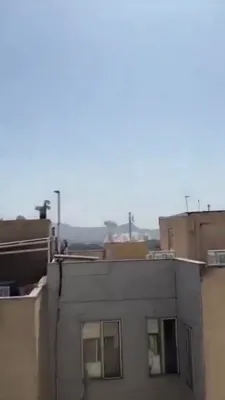
Traffic camera footage from March 26, 2026, shows a cluster munition detonating near Highway 6 in Kafr Qasim, an Arab-majority town in central Israel. The blast flipped a vehicle and wounded nine civilians, illustrating the indiscriminate danger posed by cluster warheads in populated areas. Local authorities confirmed the incident, which occurred during Iran’s ongoing missile barrage across Israel.
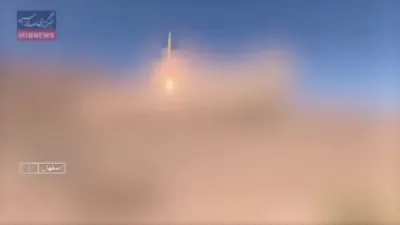
The attack reportedly involved six salvos of ballistic missiles equipped with cluster munitions. These weapons, banned under the 2008 Convention on Cluster Munitions ratified by over 100 nations, pose a significant risk to non-combatants due to unexploded submunitions and wide-area effects. Analysts emphasize the humanitarian concerns associated with their use, particularly in urban and residential regions.
Reports from sources including The Times of Israel and Haaretz verified the strike and civilian casualties. Emergency services responded quickly, treating the injured and securing the area, while traffic authorities managed road disruptions caused by the blast.
The strike represents part of a broader escalation in the Israel-Iran conflict, with multiple regions experiencing missile attacks throughout the day. Observers note that targeting densely populated areas increases both civilian risk and international scrutiny over the use of banned weaponry.
Overall, the Kafr Qasim incident highlights the dangers of modern missile warfare and underscores the ongoing threats to civilian safety in central Israel. The use of cluster munitions in such contexts raises urgent humanitarian and legal concerns amidst the escalating conflict.