פולע שיפן וועלן געפירט ווערן פון די נייע נעיווי שיף
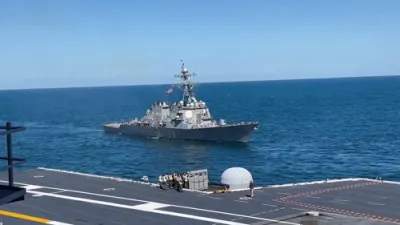
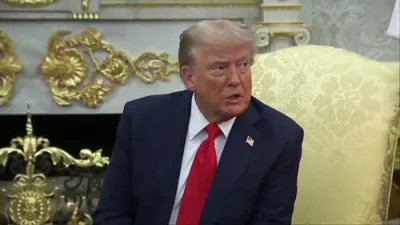
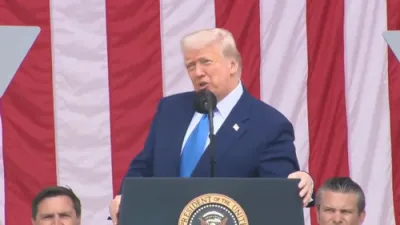
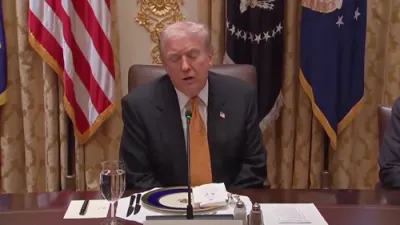
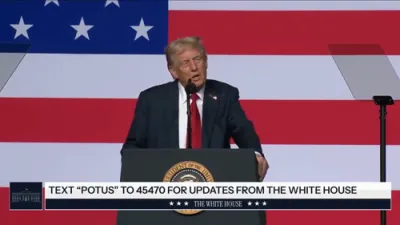
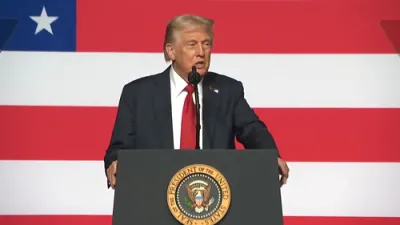
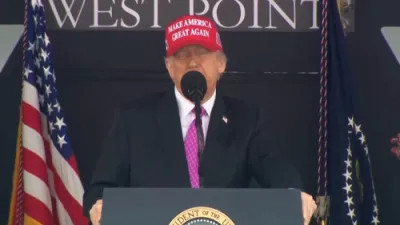
President Donald Trump revealed ambitious plans to build a fleet of 20 to 25 new “Trump-class” battleships, following his initial announcement of two vessels earlier this month. Speaking on December 22, 2025, Trump described the initiative as the foundation of a revitalized “Golden Fleet,” intended to ensure U.S. maritime dominance in the face of global challenges.
The proposed battleships would be armed with cutting-edge technologies, including advanced laser weapons and hypersonic missile systems. The fleet is being positioned as a direct counter to China’s rapidly expanding navy, as well as a strategic tool amid rising tensions with Venezuela over recent oil tanker seizures.
Trump emphasized that these ships would mark the return of U.S. battleship production, a capability largely dormant since the mid-20th century as the Navy prioritized aircraft carriers, destroyers, and submarines. Advocates argue that the initiative could also benefit domestic shipyards and strengthen American industrial capacity.
Each vessel is projected to cost between $10 billion and $15 billion, sparking debate over the potential financial and strategic trade-offs of such a large-scale program. Critics compare the plan to historical examples of naval overreach, including Rome’s ambitious maritime expansions, questioning whether the fleet would be cost-effective or operationally sustainable in modern naval warfare.
Supporters counter that a Trump-class fleet would provide a visible, powerful deterrent, projecting strength and signaling American resolve to allies and adversaries alike. With plans for up to 25 ships, the administration is signaling a major shift in naval strategy, blending traditional battleship presence with modern technological capabilities.
While the program would require congressional approval and extensive Navy review, the announcement marks one of the boldest proposals for U.S. maritime power in decades, reigniting discussions about the future role of battleships in a technologically advanced and strategically contested world.